
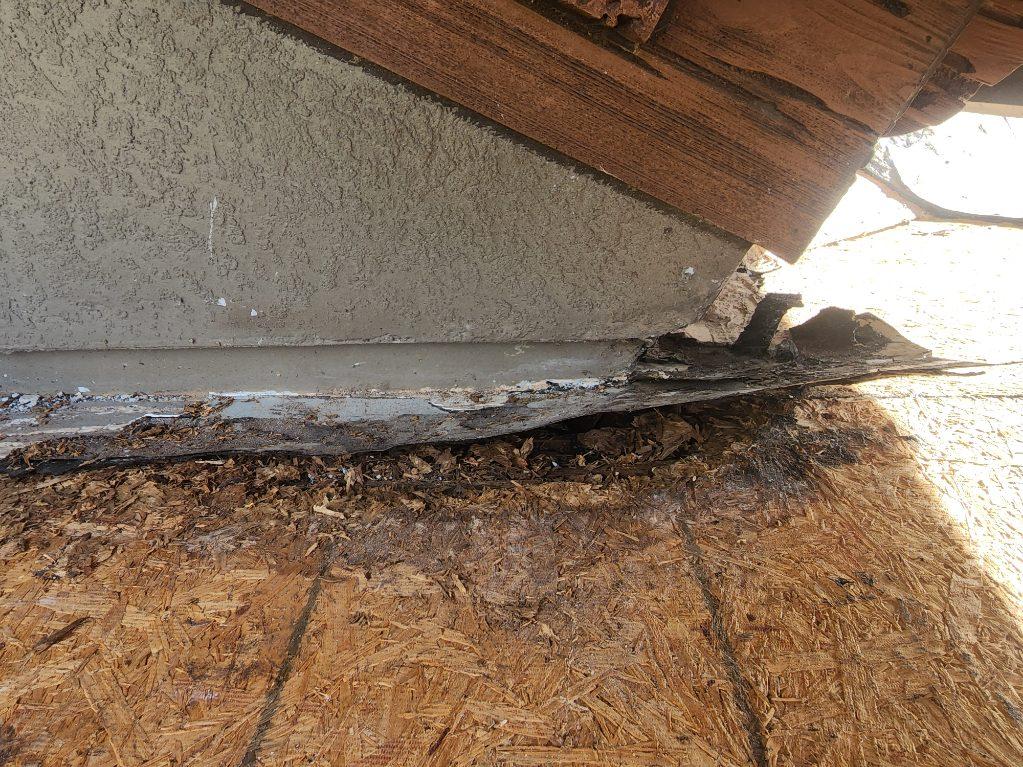
Understand premature roof failure
Premature roof failure causes real concern for many homeowners in southwest Florida. If your roof shows signs of wear long before its expected lifespan, you could face expensive repairs or even a complete replacement. Roofs in this region endure high humidity, sudden downpours, strong winds, and intense sunlight. These conditions speed up the aging process of certain roofing materials and expose smaller vulnerabilities that might otherwise go unnoticed. The good news is that once you know the key triggers of early roof deterioration, you can take practical steps to protect your home and avoid costly surprises.
Below, you’ll learn about several reasons roof systems fail too soon. You’ll also discover specific checks and maintenance tips you can follow to keep your roof functioning at its best for years to come.
Recognize poor installation issues
Incorrect installation sits at the top of many lists when it comes to premature roof failure. A single oversight, such as a missing nail or poorly fitted flashing, can quickly allow water to get underneath shingles or tiles.
Look out for contractor shortcuts
Sometimes, a contractor tries to save time or money by skipping certain steps. For example, rushing through the nailing process or reusing old flashings exposes your roof to leaks. These roofing contractor errors often reveal themselves when strong winds or heavy storms expose any weak spots. According to Bill Ragan Roofing, improper installation is the most common cause of roofs failing in as few as 10 years rather than 20 or more (Bill Ragan Roofing).
Keep flashing up to standard
Flashing forms the protective metal strips around chimneys, vents, skylights, and valleys. If it’s incorrectly nailed or sealed, rainwater and condensation drip underneath the shingles and degrade your decking. Issues with flashing can also stem from reusing old pieces or opting for cheaper materials. Rhoden Roofing points out that reused flashings often carry old nail holes, compromised metal, and weakened sealants, all of which encourage premature leaks (Rhoden Roofing).
Consider your next steps
An improperly installed roof can start disappointing you right away. If you suspect your roof had cut corners during the build or if you notice water stains in your attic, talk to a reputable professional. Reading up on roof installation mistakes helps you understand what went wrong and how to address it.
Improve attic ventilation
Roof ventilation might not sound like a big deal, but it’s critical for preventing moisture buildup and heat accumulation under your shingles.
Understand the impact of trapped heat
In southwest Florida’s climate, scorching temperatures and humidity outside can combine with insufficient attic airflow, creating an oven-like effect in your roof’s interior. This overheats your shingles and substructure, causing them to warp, crack, or curl early. Bill Ragan Roofing explains that poor ventilation is the second most common cause of premature roof failure because hot attics degrade shingles from the inside out (Bill Ragan Roofing).
Watch for moisture problems
Ventilation does more than release heat; it also circulates moisture out. If damp air accumulates, wood components can rot, mold can spread, and the roof deck can lose its load-bearing capacity. According to the Roofing Center, trapped heat and moisture result in warping, mold growth, and weakened structural elements over time (Roofing Center).
Take action
Inspect your soffit and ridge vents each season to confirm they aren’t clogged by leaves, debris, or attic insulation. The free flow of air in and out helps reduce thermal stress on your shingles. A professional can also install baffles or additional vents if you need more ventilation to keep your roof in good condition.
Maintain your roof regularly
Even well-built roofs need maintenance. By scheduling routine checkups, you can uncover small issues before they morph into large repairs.
Stay on top of inspections
Annual or semiannual roof inspections help you catch loose, dented, or missing shingles, plus any damaged flashing. According to Bill Ragan Roofing, a neglected roof accelerates wear as water seeps through saturated materials, leading to extensive and expensive damage over time.
Keep gutters clear
Clogged gutters can lead to water pooling at the roof’s edge. Owens Corning cautions that standing water seeps under shingles, creating soft spots and leaks that shorten roof life (Owens Corning). In Florida’s rainy season, you’ll want gutters that efficiently channel water away from your home’s foundation, siding, and roof perimeter.
Watch for moss and algae
Shady or damp spots on your roof can develop moss and algae. Called “real estate for water damage” by many roofing experts, these tiny plants lift the shingle edges, letting moisture seep underneath. Owens Corning notes that even minor moss growth can contribute to early deterioration if left untreated (Owens Corning).
Use high-quality materials
Not all roofing products are created equal. Low-grade shingles, cheap flashing, and subpar underlayment can initially save money, but often lead to frequent repairs and early replacement.
Confirm manufacturer quality
Major material manufacturers typically offer warranties and high standards to back up their products. However, defective series of shingles sometimes slip into the market. InspectorPro Insurance references instances where CertainTeed’s Horizon organic shingles had major defect issues that caused them to fail long before they should have (InspectorPro Insurance). Always research brand reputation and confirm that your contractor sources top-tier materials.
Avoid second layers
Some roofers add a second layer over an existing one to save time. While cheaper at first, double-layering conceals old leaks or damaged decking. According to Rhoden Roofing, a second layer hides problems, adds weight, and allows moisture to thrive between layers, often voiding warranties and shortening your roof’s lifespan (Rhoden Roofing).
Explore material-specific vulnerabilities
Your roof’s exact composition influences its weak points. Asphalt shingles can blister when overheated or lose granules after a hailstorm. Clay tiles can crack under flying debris. Metal roofs dent when hail or debris strikes them. In each case, lower-quality versions of these materials degrade faster, making poor roofing material causes a prime culprit in premature failure.
Guard against extreme weather
Southwest Florida’s climate can be unforgiving. While weather events are impossible to control, you can mitigate their effects on your roof.
Confront wind and rain
High winds lift shingles, exposing vulnerable sections. Storm gusts can also carry debris that punctures your roof’s surface. Bill Ragan Roofing states that strong winds are especially harmful to roofs with installation flaws, as any weak spot will be exploited in storms (Bill Ragan Roofing). Meanwhile, heavy rain saturates the underlayment and may lead to hidden leaks if flashing or seams aren’t watertight.
Watch out for hail
Hail is less common in Florida compared to other regions, but severe thunderstorms do happen. Hail can dent shingles, chip tiles, or knock granules off asphalt surfaces. Infinite Roofing notes that once the protective layer is compromised, your roof is more vulnerable to sun damage, water infiltration, and eventual failure (Infinite Roofing).
Look after your gutters and drainage
Proper roof drainage is critical when storms arrive. Keep downspouts clear and ensure water flows well away from your home. You also want to confirm your roof pitch is appropriate, so water doesn’t pond and seep into seams or roofing joints. Black Anchor Roofing emphasizes that incorrect pitch or blocked gutters can pool water, leading to leaks and mold issues that accelerate failures (Black Anchor Roofing).
Identify common warning signs
By catching problems early, you can address them before they escalate into major headaches. Even minor roof irregularities might be signals that something bigger is brewing.
Missing or curling shingles
Shingles can lift from wind, or they can curl due to attic heat. Missing shingles often mean water is sneaking in around the exposed decking. Curling shingles in southwestern Florida often arise from high temperatures, humidity, or trapped attic heat. If you find multiple shingles peeling back, it’s time to investigate.
Water stains inside
Brown or gray discoloration on your interior walls or ceiling typically points to a leak. You might also notice staining in your attic if you don’t regularly check your roof deck. These leaks often appear long after the initial damage, so address them quickly before structural rot sets in.
Mold or algae growth
Moist conditions can encourage mold, which damages your roof’s substructure and can be hazardous to your health. Regularly inspect anything that looks green, black, or fuzzy. If you spot growth where there shouldn’t be any, your roof might not be venting well or may have soaked underlayment.
Recognize the role of maintenance delays
Failure to act when your roof first shows signs of distress can turn small fixes into major overhauls. A minor leak that goes unnoticed might rot the decking, warp rafters, or ruin your insulation.
Repair storm damage quickly
Even if a storm doesn’t seem severe, flying debris can create small cracks in shingles or knock them loose. The Roofing Center warns that delayed fixes after hail or wind events allow water to slip through openings, eventually causing unseen decay (Roofing Center).
Check for contractor follow-ups
Some roofing warranties require follow-up inspections to ensure any initial problems or manufacturer defects are addressed. Skipping these checkups could void your warranty. RoofCrafters recommends obtaining multiple detailed repair estimates if you discover damage, so you can work with a contractor who documents everything and stands behind their repairs (RoofCrafters).
Use a reliable repair service
Whether you’ve identified small leaks or need larger sections replaced, choosing a quality contractor is crucial. A trusted local company can diagnose hidden issues and fix them before they spiral into major structural damage. If you’re experiencing ongoing roof issues right now, consider reaching out to Top Hat Roofing for timely and professional solutions.
Address roof performance issues
Your roof system may fail prematurely due to many interconnected factors: from installation mishaps to subpar materials, to climate challenges. Sometimes it’s a combination of smaller overlooked items that together cause big problems. By viewing your roof holistically, you’ll gain a clearer idea of where to focus your maintenance efforts.
Monitor all integrated components
While shingles bear the brunt of weather exposure, underlayment, flashing, gutters, ridge vents, and even the wood deck beneath also matter. Any weakness in these layers can cause roof performance issues. Ensuring every part is properly installed and maintained is the main recipe for roof longevity.
Plan for Florida’s conditions
In southwestern Florida, you know how fast a calm day can turn into a sudden downpour or gusty thunderstorm. Make a plan to handle it. Keep a regular maintenance schedule and store extra shingles or tiles in case of small patches needed after a storm. Confirm your attic insulation is adequate to reduce moisture and keep your home cooler.
Seek professional evaluations
If in doubt, consult a certified roofing professional who can detect subtle warning signs. Sometimes, underlying damage doesn’t become apparent until it has progressed significantly. A qualified inspector checks for things like cracked sealants around vent pipes or hidden deck decay that might lead to future leaks.
Take proactive steps now
You want to extend your roof’s life, reduce the risk of water damage, and save on unplanned expenses. The key is to act before minor issues escalate.
- Schedule routine inspections: Mark your calendar to check the roof each spring and fall, plus any time your area experiences a major storm.
- Keep your attic healthy: Ensure your ventilation is adequate and your insulation is balanced, so hot or moist air doesn’t build up.
- Inspect flashing and fasteners: Loose nails, corroded flashing, and torn seals let water trickle in. Tighten and replace as needed.
- Clean your gutters: Routine gutter cleaning prevents water from backing up onto the roof.
- Fix leaks early: Even seemingly insignificant moisture concerns can weaken critical structures around your roof deck.
By knowing the leading premature roof failure causes, you can address them head-on and maximize your roof’s potential. A healthy roof not only shields your family from weather extremes, but also preserves your home’s value. When you suspect roofing problems or simply want peace of mind, an experienced contractor can help you confirm whether your roof remains solid or needs an overhaul.
Stay vigilant, and tap into professionals you trust. Each climate challenge in southwest Florida—from fierce downpours to punishing heat—tests your roof’s integrity. Proper installation, quality materials, good ventilation, and consistent maintenance all work together to help you avoid expensive headaches. By taking these steps, you are well-positioned to enjoy a durable, trouble-free roof for many years to come.