
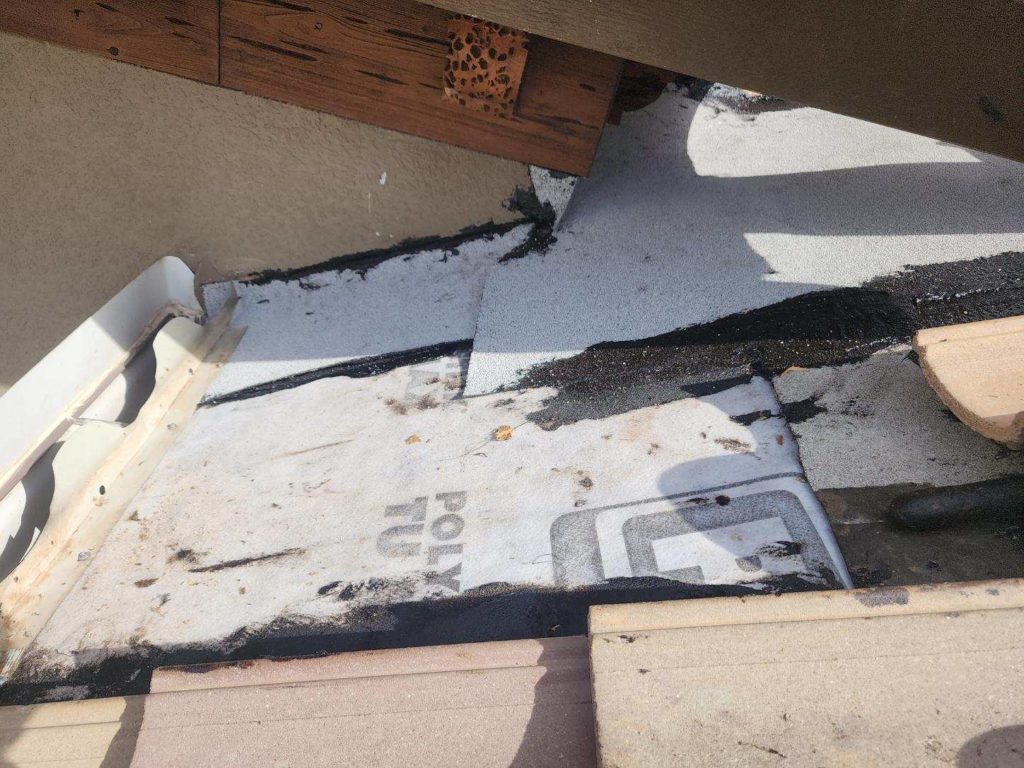
Recognize how materials affect roof life
Poor roofing material causes more than just a few missing shingles. It can undermine your entire home’s protection, especially in southwest Florida where humidity, rainfall, and tropical storms place extraordinary stress on your roof. When you choose low-quality materials, you risk leaks, mold growth, rotting wooden structures, and premature roof failure. Even the most diligent homeowner can find themselves facing repeated repair bills if the core roofing materials are not up to par.
The basic function of your roof is to shield your home from sun, wind, and water. Yet materials like thin asphalt shingles or subpar underlayment may break down sooner than expected. UV rays accelerate erosion, while storm gusts can loosen weak shingles. According to TSM Roofing, cheap shingles or inadequate flashing can lead to repeated water damage and a shorter lifespan for your roofing system (TSM Roofing). You need roofing materials that resist Florida’s climate, channel moisture away effectively, and maintain their protective properties for decades.
Identify common signs of low-quality shingles
When you look at your roof from the street, you might notice subtle clues that something is wrong. Uneven or curling shingles are usually among the earliest indicators of poor manufacturing or compromised installation. Low-grade shingles might have inconsistent thickness, leaving gaps that allow rainwater to seep into your attic or insulation. You might also spot discoloration, inadequate granule coverage, or mismatched colors, all of which raise red flags about the shingle’s overall durability.
- Granule loss: Granules serve as a layer of protection. If you see lots of small particles in your gutters or around the base of your downspouts, the shingles are shedding too quickly. This loss exposes the asphalt beneath to damaging UV rays, speeding up wear.
- Warping or buckling: Warped or buckled shingles often indicate subpar materials that fail to withstand normal temperature swings. Once they warp, it’s easier for moisture to creep in.
- Frequent replacements: If you find yourself making frequent spot repairs—especially for shingles that crack or blow off—your roofing materials might be underperforming.
These traits point to bigger roof performance issues you do not want to ignore. If you suspect shoddy materials, explore possible roofing contractor errors that may have added to the problem. Most importantly, watch for water stains on your ceilings or mold in your attic, since these signs confirm leaks are happening.
Spot consequences of improper installation
A roof’s effectiveness relies on both material quality and proper installation. According to research by Augustine Roofing, even premium shingles can fail if placed incorrectly or paired with cheap underlayment (Augustine Roofing). Southwest Florida weather demands roofs that are tightly sealed, ventilated properly, and secured at the right pitch for efficient drainage. When your roof fails on any of these fronts, problems can escalate quickly.
Common installation flaws include exposed nails, reused flashing that creates gaps, or misaligned shingles that let water filter inside. Also, failing to install drip edges can let water seep behind fascia boards, rotting them from within. If you are noticing moisture damage around the edges of your roof, you may be dealing with one of these roof installation mistakes. Over time, these mistakes set the stage for rot and structural sagging. Even a single cracked seal can let water in, softening the wood deck below.
Select reliable brands and warranties
One of the biggest indicators of material quality is whether the manufacturer stands behind the product. This is where brand reputation and warranties matter. If your contractor cannot produce proof of recognized brands like Owens Corning or CertainTeed, consider looking elsewhere. These manufacturers subject their products to rigorous testing for wind resistance, impact durability, and long-term performance, and they offer warranties to protect you.
- Manufacturer warranties: A solid roofing warranty should cover product defects and guarantee that the materials will hold up for a specific lifespan. If a brand barely allows a standard warranty, it’s a concern.
- Certified contractor relationships: Top manufacturers often have certification or preferred-contractor programs. These ensure that your roofer has the expertise to install the product correctly so you can avoid voiding any warranties by mistake.
- Seamless coverage: Warranties also typically require you to use compatible underlayment, flashing, and vent materials from the same brand. Mixing products might void critical protections.
By investing in top-tier roofing materials and a certified installer, you protect yourself from many premature roof failure causes. You also preserve your warranty, which can save you thousands in repairs.
Understand the impact of flashing, underlayment, and ventilation
Roofing is more than shingles. Critical components like flashing, underlayment, and proper ventilation help create a moisture-proof and durable seal. Yet if these parts are low-quality or poorly installed, you effectively have a ticking time bomb.
- Flashing: Placed around chimneys, skylights, vents, and valleys, flashing diverts water away from these vulnerable roof junctions. Cheap or reused flashing often doesn’t fit perfectly and can let water infiltrate. Shepherd Roofing & Renovations notes that faulty flashing remains a leading cause of mold and leaks in attics (Shepherd Roofing & Renovations).
- Underlayment: Acting as your roof’s secondary water barrier, underlayment is vital for bridging any gaps or minor damage in the primary roofing surface. Low-grade underlayments or incomplete coverage allow moisture to penetrate your decking.
- Ventilation: Poorly ventilated attics create a hot, humid space that accelerates the breakdown of roofing materials. You might see curling shingles, warped plywood, or algae growth on damp surfaces.
In climates like southwest Florida, any moisture left bottled up in the attic invites mold and rot that eat away at wooden supports. Overheating also speeds shingle deterioration from underneath. Good ventilation pairs with quality roofing materials to keep your home cooler, reduce energy bills, and deter costly water damage. If you are experiencing frequent leaks, be sure to investigate these hidden contributors.
See how UV rays accelerate material breakdown
Florida homeowners understand the punishing strength of the sun. Extended UV exposure ravages poor-quality roofing materials, contributing to a type of degradation called “alligatoring” for asphalt-based roofs (Tremco Roofing). Picture a dry, cracked look that can cause shingles to break apart and peel away. This accelerates normal wear and tear, quickly exposing underlayers to rain.
Another issue arises with single-ply membranes such as EPDM, which can shrink and pull away from walls or flashing. When not formulated to handle intense sunlight, these membranes simply cannot cope. You may spot cracks or splits that allow leaks into the structure. For tile roofs, extreme heat can cause hairline cracks and degrade the protective glaze. By the time you notice broken tiles on your driveway or yard, water may already be channeling underneath.
To avoid these headaches, choose roofing materials designed for intense sun exposure. Tiles with specialized UV coatings or highly rated asphalt shingles can better stand up to the heat. Regular maintenance—like cleaning and removing debris—also helps extend your roof’s life. Consider scheduling annual inspections to spot sun-related damage early. If you notice cracked tiles or shingles, contact a professional for roof repairs promptly.
Connect poor materials with common roofing failures
Even if you keep your roof free of debris and schedule routine inspections, certain materials simply cannot withstand Florida’s tropical conditions. Low-grade asphalt shingles, for instance, often cost less but give you half the lifespan of architectural shingles, according to Yellowhammer Roofing (Yellowhammer Roofing). Over time, the intense sun, frequent storms, and high humidity can weaken these cheaper products. You might then discover:
- Leaks around vents or chimney seals
- Cracked or missing shingle sections
- Moss or algae growth along damp ridge areas
- Excessive granule loss exposing bare asphalt
All these issues combine into bigger roof performance issues that undermine your home. And if your underlayment was also subpar, water has a clearer path to ruin your decking, eventually causing internal damage.
Protect against poor workmanship and shortcuts
Sometimes you choose top-tier shingles only to realize the contractor took reckless shortcuts. This includes improperly driven nails that leave holes, sloppy alignment that exposes seams, and skipping guidelines recommended by the shingle manufacturer (IKO). Even a top-quality shingle might fail prematurely if your roofer disregards the correct method of installing it.
Visible lumps or ridges often point to bunched underlayment. If the underlayment was installed hastily, it can create pockets where moisture collects. Also, be on the lookout for insufficiently fastened drip edges—water can slip behind fascia boards, rotting them unnoticed. If you are seeing suspicious workmanship, check out potential roofing contractor errors to understand what can go wrong.
Signs your contractor might have skimped on quality:
- Missing or poorly secured flashing around chimneys and skylights
- Exposed nail heads or nails driven at awkward angles
- Shingles that do not line up evenly
- Insufficient roof ventilation that traps excessive heat
While Florida’s weather can be ferocious, a competent contractor knows how to install your roofing materials properly so they can stand up to summer storms and scorching sun.
Maintain and repair proactively
Your roof is not a set-it-and-forget-it component. Even the best materials require ongoing attention. Catching small issues early—like lower-edge shingle curling—lets you fix them before they become leaks that destroy your insulation. Augustine Roofing recommends scheduling a professional check at least once a year and after major storms to look for trouble spots or loose flashing.
- Inspect after storms: High winds and debris can damage roof surfaces. A simple visual scan or drone assessment can help you catch newly missing shingle sections or depressed spots quickly.
- Clean your gutters: Clogged gutters force water back up under your shingles, degrading them. Over time, the materials erode from exposure to constant moisture.
- Trim overhanging branches: Tree limbs can drop leaves or worse—snap off and damage your shingles. Coupled with poor-quality roofing materials, these hits can cause significant leaking.
- Handle small repairs: Minor cracks or tears in membranes can be patched if caught right away. Leaving them unchecked allows water to seep in faster.
If you notice a significant issue and suspect material quality is partly to blame, having a trustworthy roofing expert can help confirm the source of your problems and recommend a remedy. A quick fix can often spare you widespread interior repairs later.
Choose the right contractor in southwest Florida
Southwest Florida’s climate demands a roofing contractor who understands both local code requirements and the realities of tropical storms. A pro will recognize that poor roofing material causes may overlap with inadequate installation if they do not follow manufacturer guidelines. Look for a contractor who:
- Specializes in Florida’s weather conditions
- Provides references from local homeowners
- Uses widely recognized shingle or tile brands
- Offers proof of insurance and up-to-date licensing
- Explains warranties clearly and how to maintain coverage
Reputable roofers avoid reusing old flashing or pushing discount materials. They know brand-manufacturer specs and local building codes, reducing your exposure to potential roof failures. Take time to verify each candidate before committing. If they can’t answer basic questions about the proper roof pitch or the best underlayment for Florida humidity, it might be time to move on.
Know when to repair or replace
Eventually, even a well-maintained roof can outlive its lifespan, especially under intense sunshine and routine storms. If your roof keeps springing leaks, or shingles are deteriorating quicker than you can patch them, a full replacement becomes more cost-effective than continual repairs. Here’s how to decide:
- Roof age: Standard asphalt shingles usually last around 20 years. Less expensive options can wear out closer to 15 years—or even sooner in Florida’s heat.
- Extent of damage: Scattered small repairs are manageable, but if the damage covers large sections of your roof, you’ll likely benefit from a replacement.
- Structural concerns: Sagging or rotting rafters signal extensive moisture damage. Replacing the entire system may be your safest bet for long-term stability.
By scheduling inspections and documenting recurring issues, you and your contractor can make a timely decision that saves you money in the long run. At that point, you can install new, high-grade materials that reduce the odds of the same problems recurring.
Explore roof repairs now
When damp spots on your ceiling start appearing, or you hear dripping in your walls during a storm, you want a rapid solution. If the culprit is poor-quality roofing material, these problems will not go away on their own. You may want to prioritize repairs or consider a complete overhaul, depending on how widespread the damage is.
In many cases, sealing minor leaks or replacing sections of damaged shingles is a faster fix than tearing off the entire roof—but only if the underlying materials are sturdy. The longer you wait, the costlier it might become to replace soaked insulation, ceiling drywall, or compromised wood frames. If you suspect an immediate fix could spare you bigger headaches, consider scheduling a professional inspection for roof repairs. An expert can provide a realistic estimate and talk you through whether a patch or replacement will be the better route.
Next steps to protect your roof
Protecting your home from early roof failure starts with understanding the materials overhead. By investing in reputable brands that offer robust warranties, you ensure the roof can better withstand southwest Florida’s storms and sunshine. Equally important is selecting a certified installation team that respects manufacturer specifications and local building codes. Even the best shingles can fail if nailed incorrectly or paired with cheap underlayment.
Along the way, be vigilant about maintenance. Remove debris from gutters, inspect after powerful storms, and trim back nearby foliage. This constant care helps spot problems early before water begins seeping into your property. And if you do find issues, do not hesitate to consult with pros who understand poor roofing material causes. Stopping leaks or replacing damaged sections swiftly could spare you thousands in reconstruction costs later.
If you catch yourself facing frequent fixes, or if you spot glaring signs of deterioration, it may be time for a new roofing system altogether. In the end, a proactive approach—choosing high-grade materials and top-notch workmanship—can keep your home safe, dry, and stress-free for years to come. Your roof is an investment in your family’s comfort and safety, so it pays to do it right from the start.