
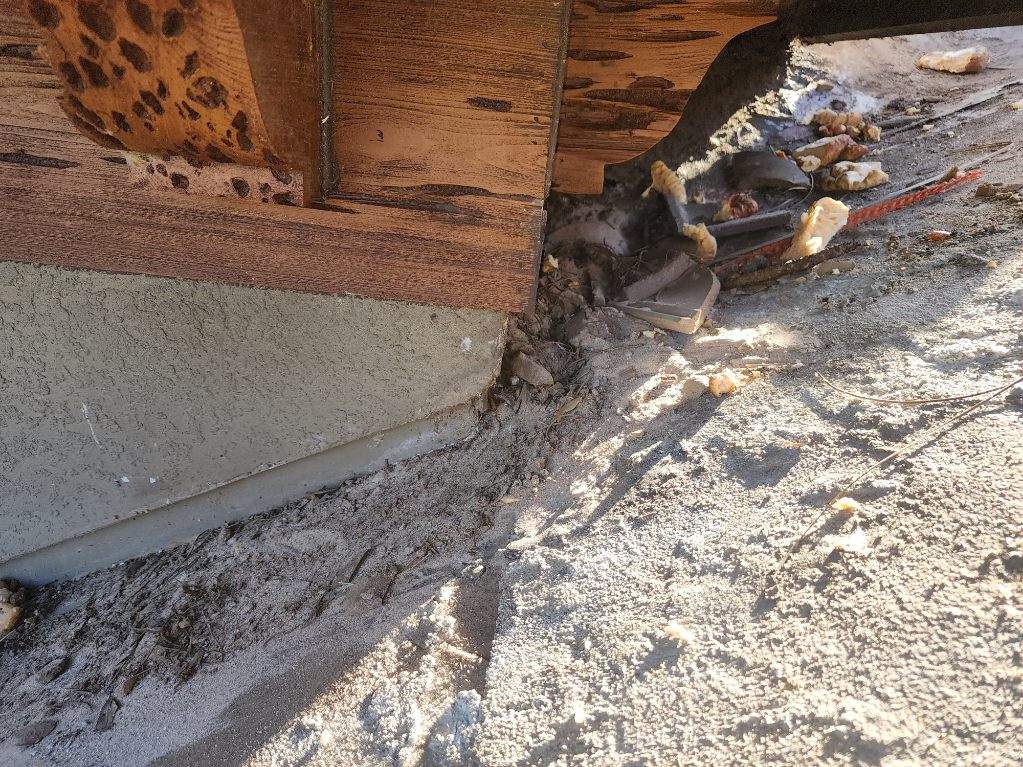
Proper roof maintenance is essential in Southwest Florida, where intense sun, storms, and humidity can quickly reveal roof performance issues. These problems often start subtly, causing leaks, mold, and even structural concerns. By understanding the causes of roof trouble and taking the right prevention steps, you can keep your roof reliable for many years to come.
Recognize roof performance issues
Roof performance issues occur whenever your roofing system is unable to protect your home as intended. You may notice missing shingles, leaks, higher energy bills, or mold in your attic. All of these warn you that your roof might be compromised. Many homeowners in warm, humid climates ignore early signs, only to face expensive damage once minor problems spread.
- Frequent or unexplained leaks
- Damaged shingles or tiles (cracks, curls, or warping)
- Mold or mildew in your attic
- Noticeable spikes in cooling costs
- Sagging rooflines
If your roof shows any of these red flags, taking swift action can help you avoid interior water damage, structural rot, or even collapsed sections.
Protect your roof from common threats
Florida’s climate is famous for high temperature, heavy rainfall, strong winds, and occasional hail. Each element puts unique pressure on your roof.
- High winds. Gusty coastal storms can blow off shingles or knock debris into your roof, exposing weaker areas underneath. According to roofon.com, wind-driven debris is a common problem that tears away materials or even punctures the deck.
- Hailstorms. Hailstones can dent or crack roof coverings, leading to granule loss on asphalt shingles, or chipping on tile surfaces. Large hail sometimes crushes structural supports, leaving your home vulnerable to leaks.
- Intense sun and heat. UV rays cause roofing materials to crack or blister over time. This is especially problematic in Florida, where your roof gets constant exposure, weakening shingles and membranes and causing them to become brittle.
- Heavy rain. Water that seeps through damaged spots on your roof may go unnoticed for months, resulting in extensive mold growth and wood rot. Properly sealed and maintained flashing, as well as adequate drainage, can help you prevent this issue (DECRA).
With Florida summers bringing a near-daily dose of heat and storms, staying vigilant about these threats is essential.
Address leading causes of premature failure
Your roof might fail sooner than expected if certain risk factors go unchecked. Knowing where to look helps you stop small issues before they escalate.
Insufficient ventilation
Poor or blocked vents keep hot, humid air trapped in your attic. This leads to higher cooling bills, mold growth, and added stress on roofing materials. First American Roofing explains that installing ridge vents or attic fans can help keep temperatures stable and reduce moisture buildup. If you or your contractor notice condensation in your attic, an upgrade to active ventilation may be warranted.
Poor installation quality
Even the best materials can fail if they are not installed according to industry standards. Unsecured fasteners, improper overlaps, or haphazardly placed flashing can create gaps and vulnerabilities. Mistakes during installation are among the top premature roof failure causes. Learn more about the most common roof installation mistakes and roofing contractor errors, so you know what to watch out for.
Subpar materials
Cheaper shingles often degrade faster under Florida’s severe weather. Asphalt shingles, for instance, can lose protective granules or warp in high-heat environments. If your roof is dated or you suspect poor-quality shingles, check out poor roofing material causes to see how materials can break down prematurely and what alternatives may last longer in a challenging climate.
Damaged or missing components
Flashing, gutter screens, and ridge vents all play crucial roles in diverting water and regulating your attic environment. Missing or damaged flashing invites water intrusion around your chimney, valleys, and dormers (DECRA). Likewise, if gutters clog with debris, water can pool on your roof or back up under shingles. Give these areas extra attention during routine inspections.
Safeguard your roof with proactive solutions
Whether you just installed a new roof or have an older system with a few problem spots, preventive steps help extend its lifespan and keep your home in top shape.
Strengthen ventilation
You can dramatically improve cooling costs and reduce mold risk by investing in the right ventilation. If your home needs upgraded roof vents or an active ventilation system, consider:
- Ridge vents along the peak, which allow hot air to escape
- Soffit vents that channel fresh air into the attic
- Attic fans to circulate air in hot or stagnant environments
Proper attic ventilation lowers moisture levels and cuts down on potential rot. It is also one of the simplest ways to stabilize temperatures beneath your roof deck.
Upgrade materials
If you are replacing your roof or installing an addition, select high-quality materials that can handle Florida’s conditions. According to First American Roofing, metal roofing and architectural shingles remain strong choices for endurance and protection. These options resist fading, cracking, and high winds better than many standard, low-grade shingles. They may also help you qualify for discounts on homeowner’s insurance if they are rated as impact-resistant.
Improve water drainage
Water is one of the most damaging forces to a roof. When gutters overflow or downspouts clog, moisture creeps back into your roof’s vulnerable edges and underlayment. Keep gutters clear, install gutter screens to help block debris, or upgrade your entire gutter system if it is outdated (Bill Ragan Roofing). This ensures stormwater and runoff flow away from your home. Good drainage preserves not only your roof but also your foundation and landscaping.
Reinforce flashing
Flashing protects the intersections of your roof where water accumulates, such as valleys and around chimneys. If you see signs of rust, cracks, or separation between flashing and surfaces, repair or replace them promptly. Upgrading to stronger flashing materials, like copper, can also enhance water management and add curb appeal. Remember that a poorly sealed chimney or skylight is a prime entry point for Florida’s frequent heavy rain.
Stay on top of maintenance
Regular maintenance helps you spot trouble and resolve it quickly. Fail to maintain your roof, and you can lose years of its lifespan. Here are key tasks to keep in mind.
Regular inspections
Plan for at least two roofing inspections a year. A thorough check looks at shingles, flashing, vents, and gutters. Look for missing or curling shingles, damage from storms, and any moss or mold growth. Fixing small cracks or leaks now prevents more costly repairs later. If possible, have an experienced roofer climb safely onto the roof and into your attic for a complete evaluation.
Professional repairs
While DIY fixes can be tempting, certain problems demand professional attention. Trained roofers understand how to:
- Identify hidden damage, such as weakened decking or unseen leaks
- Replace or secure roofing components correctly
- Seal flashing without creating new vulnerabilities
- Suggest cost-effective upgrades if your roof shows recurring issues
If you’re in need of expert repairs, see what services are available in your area. For instance, Top Hat Roofing FL provides professional roof repair solutions that address leaks, structural problems, and damaged shingles.
Take action to prevent further damage
Roof performance issues progress faster than many homeowners realize. What starts as a small leak can lead to rotting rafters, mold, and compromised structural integrity. Taking control now will spare you expensive headaches down the road.
- Schedule an inspection. A quick but thorough assessment detects hidden warning signs of roof failure.
- Investigate potential causes. Determine whether the root problem is linked to old materials, poor installation, or excessive wear from Florida’s climate.
- Tackle repairs or upgrades. Fix issues promptly. This may mean updating ventilation, replacing damaged shingles, or arranging better drainage to direct water away from your home.
- Stay vigilant. Continue regular inspections and proactive maintenance, especially at the start and end of the rainy season.
By reinforcing weak areas and investing in quality components, you protect your home and save money over the long term. Even small steps like clearing gutters more often or opting for hail-resistant shingles can make a significant impact on your roof’s longevity.
Remember, an investment in your roof is an investment in your home’s stability and safety. Take the time to address roof performance issues before they escalate into larger problems. With routine care, high-grade materials, and proper installation, your roof can withstand Florida’s elements for many years of reliable protection.