
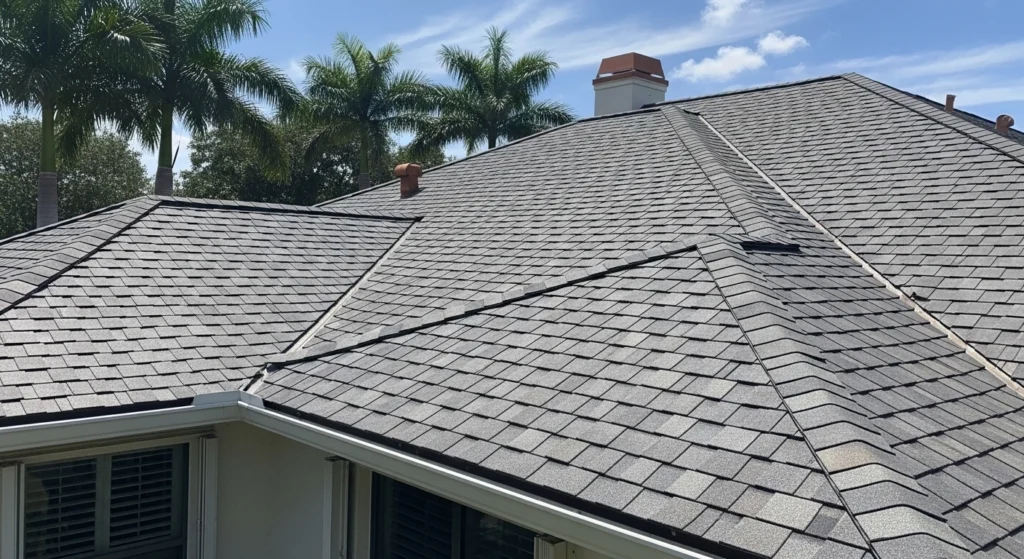
Roof installation mistakes can spell big trouble for your home, especially when storms and humidity are a constant threat in southwest Florida. Even one loose shingle or overlooked piece of flashing could allow water to get into your roof deck, walls, or attic space. That can lead to mold damage, rotted supports, and costly repairs down the road. Whether you are installing a brand-new roof or replacing an outdated one, it is worth examining each step of the process to avoid the pitfalls that so many homeowners encounter. By understanding how to protect your roof from the start, you can save yourself from expensive headaches and maintain a sturdy, weather-resistant shelter.
Below, you will find a thorough guide on what to watch out for before, during, and after your roofing project. You will see how misaligned materials, subpar techniques, and incorrect ventilation can affect roof performance in ways that go far beyond simple aesthetics. You will also learn how to spot red flags, how to ensure proper installation, and what you can do to keep repairs from spiraling out of control. Let’s dive in.
Understand the serious stakes
A roof is more than just shingles and nails. Its correct installation and ongoing maintenance ensure you and your family stay safe and dry. When roof installation mistakes happen, moisture can seep in, degrade materials, and invite pests or mold. Hidden leaks can go undetected until you start noticing discolored patches on your ceiling or a musty smell, and by then, the damage is often extensive.
- Water damage is among the biggest threats. Even small, improperly installed sections can lead to internal leaks (This Old House).
- Rot and mold pose health risks and compromise your home’s structure. Lingering moisture can eat away at wooden beams and insulation, potentially leading to a partial or complete roof collapse if left unchecked.
- Minor mistakes can snowball into major issues. Misplaced nails or warped shingles might seem like small details, but over time they reduce wind resistance and can void warranties (Connell Roofing).
In a climate prone to rainfall and high humidity, such as southwest Florida, every square inch of your roof needs to be sealed properly. The stakes are too high to ignore. All of these points highlight why avoiding roofing contractor errors is essential.
Check your roof materials
When you are choosing new roofing materials, it is easy to be swayed by a bargain. But the cheapest option is not always the best, especially if it means replacing sections of your roof every couple of years. According to Forte Roofing in Boca Raton, using unsuitable roofing materials that do not match climate demands or structural capacity is a frequent error that leads to frequent repairs and structural stress (Forte Roofing).
- Consider overall durability. Asphalt shingles, tile, and metal roofs all have pros and cons. Be sure to confirm that your roof’s framing can handle the load if you opt for heavier materials like tile.
- Think about maintenance. Some materials might require more upkeep or more frequent inspections.
- Weigh climate factors. Humidity, wind speeds, and salt spray near the coast will all influence how well certain materials hold up.
Always consult professionals who understand local code requirements, wind rating demands, and the roof structure’s capacity. Otherwise, you could run into poor roofing material causes that invite leaks and shorten your roof’s life.
Ensure proper underlayment installation
An underlayment is that extra layer of water-resistant or waterproof barrier placed between the decking and your roofing materials. Failing to install a proper underlayment leaves your home vulnerable to water intrusion that can eventually rot support structures. Christian Brothers Roofing warns that skipping the underlayment altogether is a common mistake that drastically reduces roof lifespan (Christian Brothers Roofing).
To equip your roof with the right underlayment:
- Use quality materials. Some underlayments provide extra fire resistance and better water protection.
- Unroll it evenly. Bumps or folds can lead to gaps where moisture seeps in (IKO Industries).
- Overlap the edges and secure them properly according to manufacturer recommendations. Improper fastening can cause ridges or wrinkles, which compromise the barrier.
When your underlayment is incorrectly installed, you will see issues like water stains on attic rafters or the underside of the roof deck. If you notice these signs, arrange a professional inspection as soon as possible. Otherwise, minor leaks could grow into premature roof failure causes that are incredibly expensive to address.
Pay attention to flashing
Roof flashing is essential around joints, valleys, chimneys, vents, and skylights to seal off points where water might sneak in. Flashing acts like the finishing touch that channels water off your roof. Errors in the placement or fastening of flashing can cause localized leaks or widespread water intrusion, eating away at decking and even penetrating walls.
IKO Industries points out several common flashing installation errors, like reusing old or damaged flashing, missing counter flashing on chimneys, or excessive nailing in step flashing (IKO Industries). When you are replacing your roof or installing a new one:
- Inspect for gaps or misaligned flashing around roof protrusions.
- Insist on new flashing rather than reusing old pieces.
- Verify that your roofer follows manufacturer guidelines regarding the number and placement of nails.
Missing or reused flashing might not be obvious to the untrained eye. For greater peace of mind, schedule a thorough inspection with seasoned experts who can pinpoint roof performance issues before they compromise your home’s integrity.
Focus on shingle alignment
Misaligned shingles are one of the easiest ways to spot a careless roofing job. Shingles that do not line up look unsightly, but that is the least of your worries. Improper alignment can create gaps for wind-driven rain or debris. Christian Brothers Roofing notes that misaligned shingles reduce the coverage area, allowing water to enter and damage your roof deck (Christian Brothers Roofing).
- The starter course of shingles at the eave is vital. Missing or incorrectly placed starter shingles can leave the edges of your roof exposed, leading to wind or water creeping underneath (TamarBP).
- Shingles should be staggered properly. If the gaps line up vertically, water can find a quick path to the decking.
- Do not ignore uneven surfaces, ridges, or warped shingles. These are red flags that your shingles might not be placed correctly or were nailed improperly.
If you see crooked lines while gazing up at your roof, consider requesting a professional evaluation. Even if the misalignment is slight, the potential for deeper structural concerns is high.
Avoid ventilation oversights
Proper ventilation allows hot air and moisture to escape your attic or roof cavity, helping regulate temperature and humidity. If your attic overheats or traps moisture, shingles can curl prematurely and wooden beams may start to rot. According to industry professionals, overlooking attic ventilation is one of the most common DIY roofing errors, and it can lead to long-term deterioration if left unresolved (Reddit r/Roofing).
Here is how you can ensure you have enough ventilation:
- Confirm intake and exhaust vents are clear of debris and properly sized for your roof’s square footage.
- Check that soffit vents are not blocked by insulation.
- Use specialized roof vents or ridge vents if recommended by your contractor, and ensure the ridge cap is correctly installed for optimal airflow.
With Florida’s heat, even a small ventilation problem can shorten your roof’s life and foster damp conditions. Take a close look at fans, vent openings, and ridge caps during repairs or new installations to keep your attic cool and dry.
Secure professional help
You might be tempted to tackle roof repairs yourself to save on labor costs. However, roofing tasks are fraught with safety hazards, from tall ladders to slick shingles in humid weather. This Old House warns that roof repairs can be dangerous for untrained homeowners, and calling on licensed professionals for moderate or major repairs is highly recommended (This Old House).
- Licensed contractors bring specialized knowledge, including the correct nailing zones for laminate shingles (TamarBP).
- Experts have access to tools like ladder elevators and harnesses for safe navigation, crucial when working in uncertain weather conditions.
- Professional labor guarantees you are not making hidden mistakes that will come back to haunt you later.
If you have sensed any red flags or are already dealing with leaks, you might find that an immediate fix is best rather than waiting for the rainy season to flood your interior. Anytime you suspect a serious issue, do not hesitate to reach out for experienced, qualified help. If you need thorough repairs done promptly, it is worth exploring reputable services such as Top Hat Roofing (Top Hat Roofing). Check reviews, verify licenses, and request references so you can feel secure about who is working on your roof.
Keep a regular inspection routine
Once you have a properly installed roof, you want it to last for decades. Frequent checks allow you to detect potential problems before they become full-blown emergencies. Post-installation mistakes, like ignoring minor damage or skipping recommended routine inspections, often lead to escalating water damage and mold growth (Forte Roofing). A quick inspection schedule might look like this:
- Twice-yearly check: Inspect (or have a pro inspect) the roof in spring and fall. Clear out any leaves, branches, or debris from gutters and valleys.
- After major storms: Strong winds or hail can loosen nails, shift shingles, or overload gutter systems. If you see missing shingles or suspect an issue, do not wait.
- At the first hint of trouble: Notice a water stain in your attic? See shingles curling up? The sooner you address it, the less damage you will have to fix later.
Be thorough during these checks. Turn your attention to areas of potential weakness, such as around vents, skylights, chimneys, and intersections with walls. Also peek at your gutters, since low-quality or improperly installed gutter systems indicate a broader roofing alignment issue (Premier Systems Roofing). Regular inspections not only guard against mold but also preserve the aesthetic and structural integrity of your home.
Take action now
Every homeowner’s ultimate goal is to avoid problems that threaten a roof’s effectiveness and longevity. Florida’s coastal conditions place even greater stress on your roofing structure, so paying close attention to installation, materials, and routine upkeep becomes especially crucial. When you reduce the likelihood of roof installation mistakes, you protect your family, your belongings, and your home’s entire framework.
Make a plan to get started:
- Look for warning signs like misaligned shingles, sagging areas, or water spots on your ceiling.
- Schedule a consultation with a trusted local roofing professional if you see something amiss. Ask about their experience with Florida-specific materials, building codes, and weather factors.
- Consider routine audits. Even if your roof seems fine, an expert eye can spot hidden vulnerabilities.
- If repairs are needed, make sure you handle them swiftly. Delaying roof repairs often worsens existing moisture problems, leading to premature roof failure causes.
By focusing on proper installation, using quality materials suited for the local climate, and staying diligent about maintenance, you will dramatically reduce the risk of leaks and structural damage. You will also retain the peace of mind that your roof is well-prepared to handle storms and everyday wear. Take the time to communicate your concerns to roofing experts, ask plenty of questions, and ensure the integration of correct methods and superior materials. In the end, the investment you make in a reliable and expertly installed roof spares you from the stress and expense of bigger repairs down the line. Remember, small steps now can prevent massive headaches tomorrow. Your roof, your family, and your home’s future deserve nothing less.