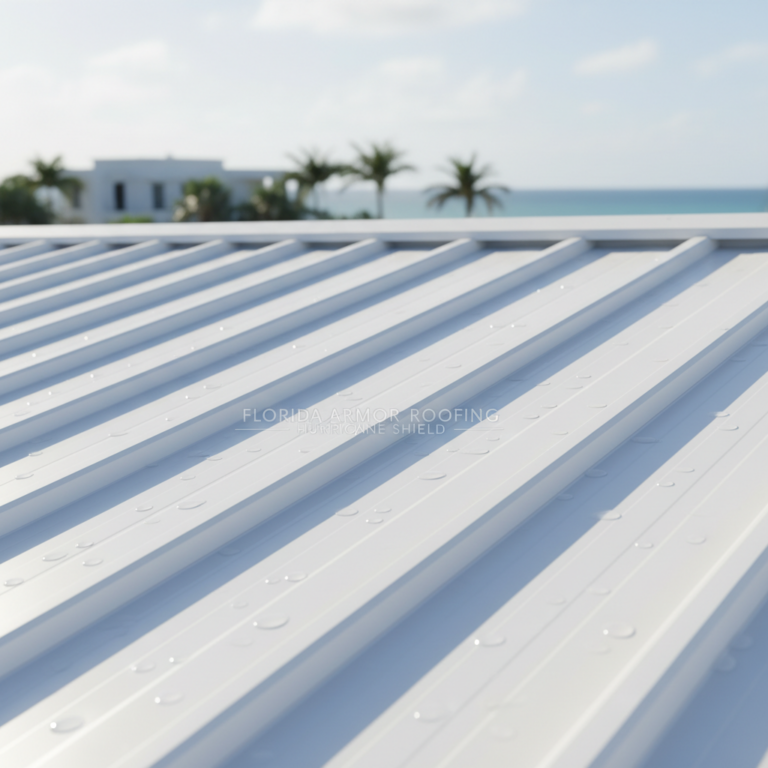
Understand the Florida roofing challenge
Living in a hurricane-prone region comes with unique responsibilities. You already know you need a roof that can withstand strong winds, pelting rain, and salt-rich coastal air. With Florida’s frequent storms, you naturally look for reliable solutions that deliver long-term performance. When you speak to local builders, you might notice a recurring recommendation: metal roofing. You may hear phrases like “contractors favorite metal roofing option.” But why is metal so popular among professionals here, and specifically how does it keep you safe?
In this article, you will learn about various metal roofing profiles, discover how they stand up to Florida’s challenging climate, and see why many contractors prefer metal roofs for durability, efficiency, and peace of mind. By the time you finish reading, you will have the clarity to decide whether a metal roof is right for your home or investment property.
See why Florida’s weather demands more
Florida’s climate is warm and sunny much of the year, but hurricane season changes the game. High winds can tear off weaker roofs fast. Driving rain seeps into any gap or poorly sealed area. Long-term exposure to moisture and humidity can degrade certain materials, making them more prone to leaks and algae growth.
Metal roofing, especially standing seam varieties, offers high wind resistance and a slick surface that helps rain and debris slide off rather than pool. Many Florida property owners find that a metal roof pays for itself over time because it’s less likely to require major repairs after storms. If you want to reduce future maintenance, you may want to learn more about hurricane-resistant metal roofs and how they stack up against standard roofing types.
Lasting through hurricanes
When you get hit by a hurricane, you know there is no gentle breeze. Winds can easily exceed 100 mph. Thick metal panels with concealed fasteners can better keep their hold, particularly if installed by an experienced contractor who ensures the flashing and sealing meet strict Florida building codes. By resisting wind uplift, your metal roof reduces the chance of shingles ripping off or water seeping in.
Even beyond hurricanes, Florida’s storms can bring torrential rain on a routine basis. Metal, in many cases, shows superior water-shedding ability compared to materials that rely on granules or layers that eventually wear down. Seeing how every hurricane season unfolds, you want a roof that stands guard through it all. That is why so many local pros point to metal as a go-to choice.
Recognize why contractors love metal roofing
In many parts of the country, there are debates over whether metal roofing is worthwhile. For instance, two companies in the inland Northeast have recommended against standing seam metal roofs on a Cape Cod house, citing complexities in installation and maintenance [1]. Different climates, different building styles, and different roofing demands can shift what is most cost-effective and reliable.
Yet in coastal Florida, contractors often highlight metal as a top performer. Why is it contractors favorite metal roofing here?
- Speed of water runoff. Florida’s heavy rainfall means you need a roof that drains effectively. Metal’s smooth panels help direct water swiftly off the edges.
- Longevity. Steel roofing commonly lasts 50 to 70 years, making it a reliable investment [2].
- Corrosion resistance. Materials like aluminum and zinc handle salty sea air well, reducing rust or decay.
- Energy efficiency. Metal roofing reflects radiant heat instead of absorbing it, helping keep your attic cooler.
- Code compliance. Florida’s building codes are strict, but standing seam metal systems regularly pass high wind and impact tests, making them a natural fit.
When your goal is safeguarding your home or commercial property against extreme weather, these benefits matter. You want a roofing option that ticks every box: resilience, low maintenance, and lasting value.
Compare metal roofing profiles
You might hear the phrase “metal roofing,” but that can mean several varieties: corrugated exposed-fastener panels, standing seam concealed-fastener systems, or even metal shingles that imitate tile or slate. Among contractors in Florida, standing seam often stands out because of its clean lines and enhanced sealing from hidden fasteners.
Before you choose, it helps to know the main types of metal commonly used:
| Metal type | Pros | Cons |
|---|---|---|
| Steel | Durable, widely available, relatively affordable. Often coated to resist rust. | Heavier than aluminum. Might need a thicker gauge in hurricane zones. |
| Aluminum | Lightweight, corrosion-resistant, excellent in coastal regions. Paintable in many colors. | Generally costs more than steel. May dent if struck by large debris. |
| Copper | Eye-catching patina, extremely durable, can last centuries. | Very expensive initial cost, can be harder to source locally. |
| Zinc | Self-healing patina, high longevity, minimal upkeep. | Not as widely available, usually costly, specialized installation required. |
Contractors often default to steel in Florida because it balances cost and strength. However, if you love the idea of a rust-proof option that stands up well to salty air, aluminum might fit you better. Copper remains a premium choice if you appreciate a timeless green patina and do not mind the price tag. The big takeaway is that each type of metal excels in different ways. It comes down to your budget, style preference, and local conditions.
Stand up to hurricane-level winds
One of the biggest reasons Florida roofers favor standing seam panels is hurricane performance. You do not want a roofing system that relies on dozens of exposed fasteners, each of which can loosen or fail in high winds. Standing seam typically uses concealed clips beneath the panel seams, creating a continuous surface with fewer potential weak spots.
At wind speeds above 100 mph, any gap can become a pressure point. The airtight seams of many standing seam systems reduce the chance of uplift, keeping your roof secure. When installed properly, these roofs can handle massive gusts, well above typical design wind speeds found in Florida’s building codes. If you want to see a deeper look at these advantages, check out standing seam roofing benefits.
Florida code compliance
In Florida, the building code can be demanding, especially in High Velocity Hurricane Zones (HVHZ) like Miami-Dade County. Hiring a qualified metal roofing contractor ensures your standing seam panels meet or exceed these local requirements. You do not want to gamble on cheaper products that have not passed rigorous testing. In many cases, top brands provide certification that their roof system can handle wind lifts of 150 mph and beyond.
Choosing a roof that meets local codes is not just about passing inspections. It safeguards your peace of mind and your property’s insurance eligibility. Insurance carriers often reward homeowners who opt for robust roofing solutions. When you live in a hurricane hot spot, that matters.
Learn why metal roofing outperforms asphalt
You might see neighbors installing asphalt shingles and wonder which option is best for you. If you are in Florida, consider the following:
- Longevity: Most asphalt shingle roofs have a lifespan of 15 to 25 years. Metal roofing can easily surpass 40, and sometimes reach 70 years or more [3].
- Weight: Metal is lightweight for its strength, which means less structural stress on your home.
- Maintenance: Asphalt shingles lose granules over time, especially under harsh conditions. Metal remains sleek, with minimal upkeep.
- Cooling benefits: By reflecting solar heat instead of absorbing it, metal roofs may reduce summer cooling costs.
In parts of the country that see fewer storms, shingles can still be a perfectly fine choice. But in a region where hurricane after hurricane threatens your home, metal’s advantages become far more compelling. You also may appreciate the modern, crisp look that standing seam metal roofs can achieve.
Minimize algae, moss, and moisture issues
One nuisance in humid climates is algae or moss developing on rooftop surfaces. Shingles are more prone to these growths because of their moisture-trapping texture. Metal roofs, by contrast, have a hard, non-porous surface that makes it harder for moss and algae to grip. This often translates to fewer discoloration issues and less frequent cleaning.
Some worry that metal might corrode under constant humidity, but that typically depends on the material chosen. Aluminum has natural corrosion resistance, and steel roofing usually carries protective coatings to shield it from rust. If your roof is near the coast, you will want to pay attention to material coatings and gauge thickness. Florida’s salty air can be tough on cheaper metals, so it is best to consult a reputable local installer who understands how to protect metal roofs in coastal zones.
Discover additional hurricane-proof options
Sometimes you want a deeper dive into the nuts and bolts of metal roofing systems for hurricane protection. You can explore more about specialized fasteners, unique underlayment, and advanced flashing that keep your roof sealed, even in the fiercest storms. If you are comparing features like metal panel thickness or specialized bracing, you may want to look at hurricane-proof metal roof options. From reinforced drip edges to storm-rated clips, there are many add-ons that can further harden your roof against extreme wind events.
Additional retention systems
In areas with massive rainfall or ice storms (less common in Florida, but occasionally relevant in northern parts of the state), some metal roofing manufacturers recommend using snow guards or specialized gutter retention. Although Florida is not known for snow, you can get heavy downpours that challenge your gutters. Having a roof system that accounts for strong water flow can spare you from moisture infiltration. For instance, certain companies highlight the need for gutter protection systems to handle large water volumes and reduce debris buildup, which is something you can discuss with your contractor.
Embrace energy efficiency and comfort
In a hot, sunny environment, you want a roof that keeps you cooler without running your air conditioner around the clock. Metal reflects a significant portion of solar rays, preventing heat buildup in your attic. Additionally, many metal roofing systems allow space for improved ventilation, which can preserve your insulation and maintain a more stable indoor temperature. With Florida’s high humidity, you benefit from any strategy that helps moisture escape your home, and a well-ventilated attic can be your best friend in that regard.
You might also look for roof coatings with reflective or “cool roof” technology. These coatings bounce more light away from your home, lowering the amount of heat that penetrates the roof. While this advantage is certainly helpful in Florida’s climate, it can also contribute to home energy efficiency in all kinds of regions where sunshine is a factor.
Balance cost versus long-term value
Metal roofing typically costs more upfront than many asphalt shingle alternatives, primarily due to material costs and installation complexity. According to data from Western States Metal Roofing, installation costs can make up 60 to 70% of your final price, depending on roof complexity and labor rates in your area [4]. However, you want to consider the life cycle value—how many years will you receive reliable performance with minimal upkeep?
When you factor in fewer repair bills, a lifetime that can outlast multiple shingle roofs, and potentially lower insurance premiums, metal often proves a smart investment in Florida. If you plan to stay in your home long-term, that extra peace of mind means your money goes further. Plus, you will likely recoup some of the expense if you ever sell the property, because a sturdy metal roof holds broad appeal in coastal areas.
Finding the right finish and gauge
Contractors frequently choose steel panels in 24 or 26 gauge, with 24 gauge costing 25% to 40% more due to greater durability [4]. Heavier gauges stand up better to impact damage and wind uplift. Paint type also affects cost. Standard SMP paint is more budget-friendly, while premium PVDF finishes cost 30% to 40% more, but tend to combat fading more effectively. If you live near the water or expect intense storms, investing in a thicker gauge with a stronger finish can pay off.
Explore top brands trusted by roofers
If you are curious about which manufacturers offer quality metal roofing, you will find several well-known names. McElroy Metal, established in 1963, is recognized for broad product selection. Classic Metal Roofing Systems has been a go-to distributor since 1980, offering a variety of metal shingle blends and tile designs [5]. Englert Inc. also comes up frequently in contractor circles for their robust warranties and reliable panel systems.
Other brands like Atas or S-5! are acclaimed for specialized solutions. S-5!, for instance, developed a PvKIT panel attachment system that easily secures solar panels onto standing seam roofs, which is appealing if you want to harness Florida’s abundant sunshine for energy [6]. As a Florida homeowner, you have access to many product lines, and your contractor can recommend which brand aligns well with local building codes and your personal budget.
Account for maintenance and repairs
No roof is maintenance-free, but when you keep an eye on a metal roof, the upkeep is typically minimal. A quick inspection after major storms helps you catch any loose flashing or damaged panels. Cleaning off leaves and debris from valleys or gutters is often enough to keep your roof in good shape.
Because metal is non-porous, algae staining is rare, but you might occasionally perform a gentle wash. Avoid harsh chemicals or abrasive tools that may scratch coatings. If you have a specialized finish, confirm with your manufacturer or contractor which cleaning solutions are safe to use.
Seasonal checks in Florida
Florida’s long summers occasionally bring tropical storms from June to November. It never hurts to schedule a professional roofing inspection before hurricane season ramps up. If any panel is loose or if your sealant has degraded, you want that discovered early. While metal panels are durable, consistent upkeep ensures performance year after year. Checking your roof regularly may also preserve your warranty, so always review those requirements.
Practice environmental stewardship
If you are environmentally conscious, you likely appreciate that metal roofing is made from largely recycled materials and is fully recyclable at the end of its life, unlike asphalt shingles, which end up in landfills more often. Metal also helps you reduce energy use by limiting how much solar heat enters your attic. You can feel good about a choice that benefits both you and the planet.
In Florida, any chance to keep your home cooler with less air conditioning is a win—both for your wallet and the environment. When you couple the energy efficiency of metal roofing with the fact that you will not need to replace it as often, you get a solution that is doubly sustainable.
Avoid common metal roofing myths
Before you move forward, it is easy to get hung up on misconceptions. Some homeowners worry about noise, assuming metal roofing is loud during heavy rain. In reality, proper underlayment and insulation significantly dampen sound, making metal roofing no noisier than traditional shingles. Others believe metal might attract lightning, but metal does not increase the likelihood of lightning strikes. It simply conducts electricity safely to the ground if lightning does hit, minimizing the chances of a house fire.
You might also hear that metal roofing is not advisable for complex roof shapes. While it may be more challenging to install around multiple penetrations or dormers, a skilled contractor can make it work. Some roofing companies in the Northeast shy away from metal on complicated homes, but in Florida, specialized contractors prove that standing seam metal can be adapted to various roof lines—even if it requires more planning and time [1].
Choose the right installation partner
No matter how good your materials are, a proper installation is what ensures your roof handles hurricane winds and driving rain. Be sure to hire a licensed roofer with experience in metal systems. Florida’s building codes demand rigorous training, and an expert will follow manufacturer guidelines to the letter. If you want to explore the broader benefits, you can also check metal roof hurricane protection to see how your installer might fortify your home in specific ways.
To confirm your roofer’s qualifications, ask for references or examples of completed metal roofs in your region. You can even drive by those properties to see the quality in person. A straightforward contractor will also discuss your warranty options, from material warranties to workmanship guarantees that address potential leaks or panel failures. This transparency shows they stand behind their work.
Determine if metal roofing is right for you
Ultimately, deciding on a metal roof involves factoring in your budget, your home’s architectural style, and your willingness to invest in long-term value. If you prioritize durability, resilience against hurricanes, energy efficiency, and minimal maintenance, then you may find that contractors favorite metal roofing is the perfect fit for your Florida home.
If you would like to learn more about which types of metal roofs are best for your specific location, explore this metal roofing resource at Top Hat Roofing. Whether you are re-roofing after storm damage or planning a brand-new build, understanding these aspects gives you confidence that you are making a wise decision.
Taking the next step
You can begin by getting quotes from reputable contractors who have verifiable metal roofing experience. Compare the style, gauge, coating, and total cost. Make sure to ask about warranties and any optional upgrades for further hurricane protection. Standing seam metal roofing might require a bigger initial investment, but the peace of mind it offers often justifies the cost—especially when hurricane winds pick up.
Final thoughts
Metal roofing in Florida stands out because it addresses real life concerns. You want less damage from fierce storms, better protection against moisture, and a long-lasting material that reflects the sun’s punishing rays. Standing seam metal systems are popular among local contractors precisely because they consistently deliver on these promises. You will feel more secure during hurricane season, and you will appreciate the years of minimal maintenance as time goes on.
When the next big storm looms, you will not have to wonder if your roof can handle it. A quality metal installation, designed specifically for Florida weather, provides lasting protection for your loved ones, your possessions, and the overall value of your home.
Take an informed step toward safeguarding your property, and consider the many benefits of choosing a metal roof. By selecting a reliable material and a trustworthy contractor, you make an investment that pays off in both daily comfort and storm-season readiness.