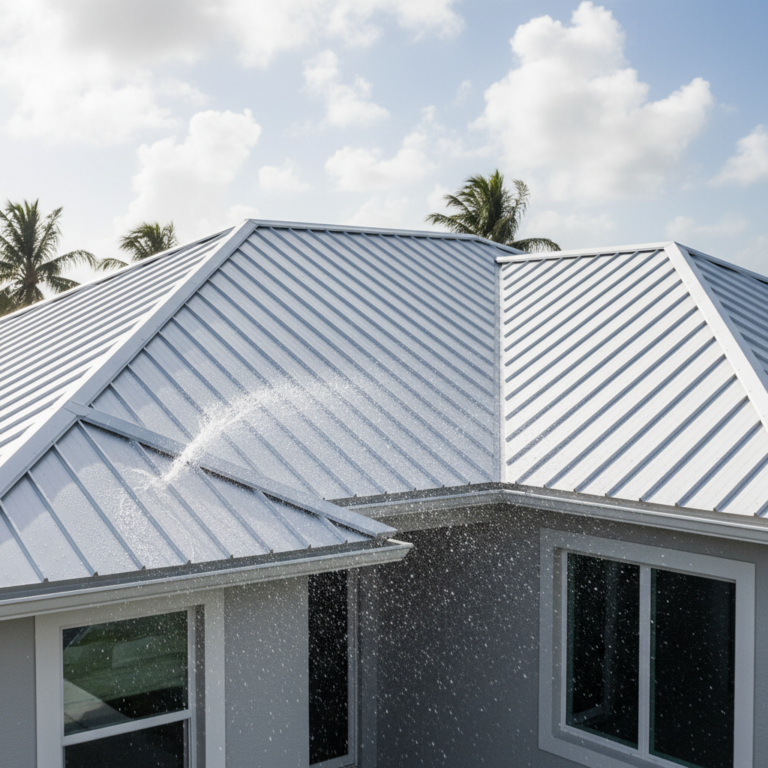
Natural disasters can be unpredictable, especially hurricanes that frequently strike Florida and other coastal regions. If you live in one of these hurricane-prone areas, you deserve durable, long-term protection for your home that stands up to high winds, driving rain, and windborne debris. That’s exactly where hurricane-proof metal roof options come in. By choosing the right metal roofing system, you can increase your peace of mind and preserve the integrity of your property, no matter how harsh the storm season gets.
Below, you’ll learn how Florida’s unique climate elevates the need for wind-resistant roofing, why standing seam profiles are often the go-to choice, and how different metal materials compare for coastal homes. You’ll also get practical tips on installation and maintenance so you can feel more prepared for hurricane season. Let’s explore how you can select an optimal hurricane-proof roofing system for your home.
Recognize Florida’s hurricane threats
Coastal areas of Florida are regularly in the path of strong tropical storms. Hurricanes deliver high-speed winds between 74 and 150 mph or more. These uncontrollable forces can lead to serious roof damage, which may cause interior flooding, mold issues, and costly structural repairs. That’s why your roof often becomes your first line of defense.
Most conventional asphalt shingles can only endure wind speeds up to around 60 mph [1]. While that may suffice in mild storms, it quickly becomes inadequate when a hurricane gains strength. Metal roofs, on the other hand, can generally handle wind gusts up to 140 mph or more, significantly reducing the chances that your roof will fail during a major storm. The most advanced metal roof designs, such as specialized standing seam systems, can even withstand wind speeds surpassing 200 mph in specific conditions [2].
Still, no roofing system is invincible. Hurricanes are constantly evolving threats, and your location, building structure, and overall preparedness all matter. Yet, investing in hurricane-proof metal roof options gives you a strong layer of defense that goes beyond traditional materials and helps preserve the foundation of your home.
Compare top metal roofing benefits
Metal roofs offer several important benefits that resonate with Florida homeowners. Their interlocking design can keep destructive winds from lifting roof panels, while concealed fasteners provide extra durability by protecting screws and washers from UV and saltwater exposure. Built with wind resistance in mind, these products minimize the risk of leaks when rain is blowing in sideways.
You also get an impressive lifespan. Many metal roofs can last 40 to 50 years in Florida’s challenging environment when properly maintained, with premium metals like copper occasionally delivering over 100 years of use [1]. This long lifecycle offers a big advantage compared to more common shingle roofs that often need replacement after 15 or 20 years. Plus, if you ever look to sell, potential buyers recognize the extra value in a roof designed to endure tough conditions.
Because metal reflects a significant portion of the sun’s rays, you may also see lower cooling bills. Florida’s hot sunshine can be relentless, so a reflective metal surface often helps your air conditioner run more efficiently. It’s a win-win—protection from hurricane winds and potential energy savings on those steamy summer days.
Standing seam metal roofing advantages
Among your hurricane-proof metal roof options, Florida contractors frequently favor standing seam metal roofing for its reliability. You might hear about standing seam roofing benefits that include an ultra-secure method of panel attachment. With a standing seam system, each panel’s edges fold or “lock” together, creating consistent coverage over your rooftop. This hidden fastener setup means no exposed screws, which minimizes the chance of corrosion, leaks, or wind-driven rain intrusion.
The concealed fasteners also make it more difficult for strong gusts to lift the panels. In hurricane conditions, every exposed seam becomes a potential entry point for wind to penetrate and tear off materials. Standing seam systems lessen that vulnerability. This profile has delivered excellent performance in major storms, from Monroe County to other coastal zones across Florida [3].
Beyond wind resistance, you may appreciate the clean, modern look of standing seam. It complements a wide range of architectural styles, from contemporary beach houses to classic suburban homes. Many Florida homeowners also find that standing seam roofs add a sense of sophistication that can enhance curb appeal.
Choose the best metal roofing material
Even if you settle on a standing seam design, you still need to pick a metal type. Coastal environments, especially those within 1,500 feet of saltwater, demand higher levels of corrosion resistance. Materials like aluminum, Galvalume, or specialized steel products often shine here, thanks to advanced coatings that deter rust. Each has its own advantages and considerations:
- Aluminum: Known for its natural resistance to rust, making it a prime choice for waterfront properties. It’s lighter than steel, too. However, aluminum is softer, so thicker gauges are recommended in regions with heavy hail or windborne debris [4].
- Galvalume steel: This metal boasts a zinc-aluminum alloy coating that stands up well to salt and moisture. It’s widely regarded for its durability, although you might notice minor cosmetic issues over time (like oil canning) that won’t hurt performance.
- Painted steel: High-grade steel can do well in hurricane-prone spots if it’s located more than 1,500 feet from saltwater. Paint coatings and galvanization layers help protect from corrosion, but areas very close to the coast may still see rust if the metal edges become exposed.
- Copper or zinc: These premium options have extremely long lifespans but often come with a steep price tag. If budget is flexible, copper’s distinctive patina and durability might be appealing.
If you want to compare these metals at a glance, here’s a quick rundown:
- Aluminum: Lightweight, cannot rust, higher cost per thicker gauge.
- Galvalume steel: Excellent corrosion resistance, more budget-friendly than copper, minor aesthetic imperfections possible.
- Painted steel: Solid in moderate coastal areas, needs diligent paint maintenance, not ideal right next to saltwater.
- Copper or zinc: Exceptional longevity, premium investment.
The best approach is to weigh your location’s salt exposure, your home’s structural needs, and your budget constraints. When you combine the right metal type with a standing seam panel, you’ll be well on your way to a roof that can stand up to Florida’s hurricane season.
Key installation and maintenance tips
Even a top-rated hurricane-proof metal roof needs careful installation to fulfill its potential. An improperly fastened or misaligned panel can allow wind to get underneath and create uplift—a major cause of roof failure. To safeguard your investment, check that your roofing team has experience with metal roof hurricane protection. This includes verifying that installers use the correct clip spacing, fasteners, sealants, and flashing techniques for your specific panel system.
Florida building codes require robust substructural decking and thicker roof sheathing, which help keep your roof anchored against intense wind loads [3]. Properly installed standing seams can handle the expansion and contraction of metal, reducing stress over time. You also want your attic adequately ventilated to manage tropical humidity and reduce the likelihood of mold or moisture buildup.
Routine maintenance is the next key step. You can schedule roof inspections twice a year—once before hurricane season and again afterward—to spot any loose fasteners, damaged flashing, or accumulations of debris. If you find an issue, address it quickly. Minor repairs can help extend your roof’s lifespan, letting you avoid bigger headaches later. Whenever possible, partner with a local contractor who’s trained in contractors favorite metal roofing systems and stays current with Florida’s code updates.
Find your hurricane-proof metal roof
With all the focus on specialized materials and wind-resilient designs, you may wonder exactly how effective metal roofs are in real-life storms. Consider the experience of one Florida homeowner, the Catalano family in Nokomis, whose EDCO steel roof withstood a direct hurricane hit in 2024 without damage [5]. Their neighbors, on the other hand, had significant roof damage. Stories like this highlight that proper engineering, the right metal panels, and professional installation can truly make all the difference.
You may also see financial benefits beyond damage prevention. Many homeowners with metal roofs in hurricane zones qualify for insurance discounts [2]. Insurers appreciate that a resilient roof lowers the risk of costly claims for storm damage. Plus, if a severe hurricane does come through, you’ll likely face fewer repairs. That can help you avoid the post-storm rush for contractors and the subsequent delays in getting your life back to normal.
If you’re still exploring hurricane-resistant metal roofs, look for warranties tied to coastal performance and wind uplift. Also, engage a licensed engineer familiar with Florida building codes if your home has any unusual design. Engineering calculations can confirm that your roof deck, panel gauge, and fastener spacing align with best practices [2].
Consider other metal roof profiles
Standing seam isn’t your only option, although it’s typically the most popular for hurricane resilience. You can also explore 5V metal roofing, which relies on V-shaped corrugations but fastens on top of the panels. This style can handle wind forces better than many shingles, yet it generally requires more consistent upkeep. Over time, fasteners may loosen, allowing rain or wind to intrude if not properly tightened every few years [4]. Exposed fastener systems also carry a higher long-term risk of corrosion around the screws.
If budget is your primary concern, 5V may still serve you well, but you’ll want to plan for periodic maintenance plus eventual screw replacements. By contrast, contractors favorite metal roofing profiles like standing seam reduce the maintenance burden, letting you focus on enjoying your home rather than constantly fretting about potential leaks.
Strengthen your overall hurricane preparedness
A high-quality metal roof is a vital part of storm readiness, but it’s not the sole defense. Ongoing maintenance, proper attic ventilation, and robust door and window reinforcements all matter. Florida’s building codes are regularly updated following major storms, so staying informed can help you refine your home against future hurricanes.
It may also be worth coordinating with a licensed engineer to review your existing structure. They’ll confirm whether your roof’s framing and decking can withstand the extra uplift forces a hurricane can generate. It’s a proactive way to spot areas needing reinforcement—before your roof faces the test of high winds.
Consult local experts
Selecting the perfect roof in a hurricane zone isn’t a one-size-fits-all process. Factors like salt exposure, neighborhood regulations, architectural style, and even your local microclimate come into play. To get a more personalized game plan, you might reach out to Florida contractors who install hurricane-proof metal roof options every day. You can also learn more about these systems by reviewing educational resources at tophatroofingfl.com/metal-roofs/. A reputable local installer will account for details like code compliance, aesthetic preferences, and your budget.
When you do your homework, you’ll find that metal roof hurricane protection is more than a marketing promise. It’s a reality that has helped countless homeowners preserve their properties, even after powerful storms. Trusting experienced installers and proven materials goes a long way in securing your peace of mind.
Make a confident choice
If you’re ready to shield your Florida home from piercing winds and torrential rain, a hurricane-proof metal roof stands out as one of the best solutions. The higher up-front cost often pays off in longevity, reduced maintenance headaches, and dependable protection during the busiest storm seasons. With the right panel profile—particularly a standing seam configuration—and a corrosion-resistant metal, your roof can endure formidable weather conditions for decades.
Keep in mind that weather patterns will change, and hurricane intensity may vary from year to year. By investing in a robust metal roof, however, you set a strong foundation for protecting your home in the long run. You won’t just gain flexibility and peace of mind; you’ll also bolster your property’s value and curb appeal.
Whether you’re a Florida homeowner, property manager, or contractor, you can take the next step by gathering quotes, consulting code requirements, and exploring the advanced roofing solutions offered in your region. Thorough research now could save you the ordeal of catastrophic roof damage, costly repairs, and weeks of upheaval after a major storm.
Remember, a hurricane-proof metal roof isn’t just about surviving the next hurricane—it’s about feeling safe, confident, and secure for many seasons to come. By choosing the right materials, working with trusted professionals, and keeping up with a little routine maintenance, you’ll be in a stronger position to handle whatever Mother Nature sends your way.