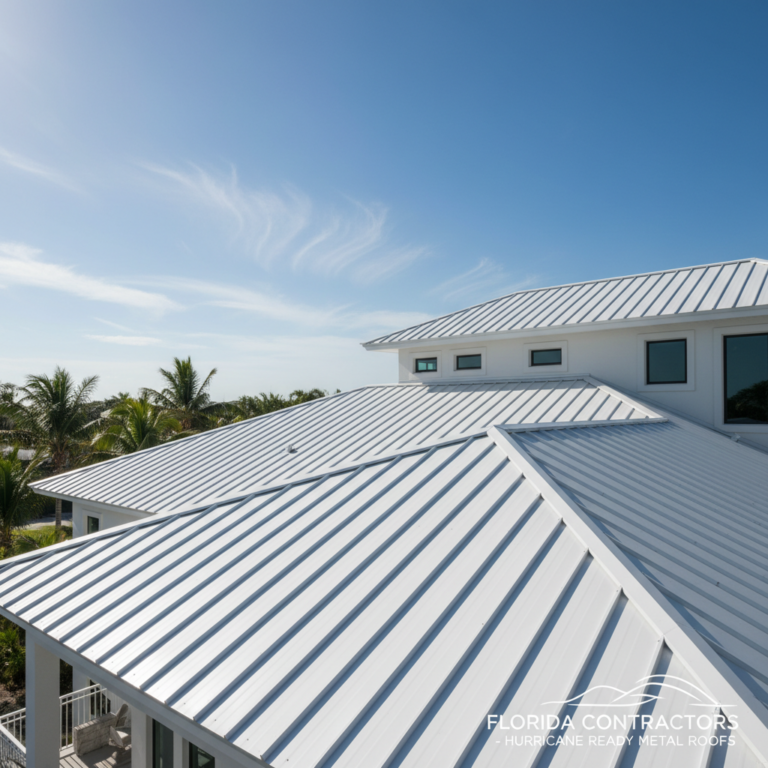
Many Florida homeowners and property managers like you face a common worry during hurricane season: how to protect your roof from punishing winds and flying debris. Metal roof hurricane protection can be your strongest line of defense against storm devastation. By choosing the right metal roofing system and ensuring proper installation, you can feel far more secure when that next storm inevitably comes your way.
Recognize Florida’s hurricane reality
Hurricanes aren’t just a possibility in Florida, they’re practically a given. With storms forming frequently during hurricane season, even a “mild” gust can tear away shingles or loosen flashings throughout your neighborhood. The unique winds and rain bursts born from these tropical systems can turn everyday objects into damaging projectiles, leaving you vulnerable if your roof is not adequately protected.
When you live and work in a place where storms can pack speeds upwards of 100 mph, you need an extra level of assurance. That’s where metal roofing steps in. Traditional asphalt shingles can only handle gusts of around 60 mph, but metal roofing materials can stand strong in winds of 140 mph or more [1].
Choose a resilient metal roof
Metal roofs are widely praised for their durability, longevity, and ability to withstand extreme conditions. Panels are typically overlapping or interlocking, which leaves fewer weak points for water or hurricane-force winds to penetrate. In some cases, specialized designs can resist wind speeds beyond 200 mph, thanks to advanced systems like McElroy Metal’s Maxima or 238T [2].
If you’re in the market for better hurricane protection, consider standing seam roofing benefits. Standing seam profiles use hidden fasteners and raised seams to create a tight seal against water intrusion and wind uplift. This configuration helps you avoid the nail or screw holes that can let moisture in over time. By investing in metal roofing, you also gain the advantage of a longer lifespan—up to 70 years in many installations—reducing your risk of leaks and damage during Florida’s worst storms [3].
Invest in professional engineering
One crucial factor that some people overlook is professional engineering. Metal roofs require precise plans tailored to each home or building. Florida-based contractors often have specialized knowledge about local wind zones and the engineering requirements that keep your roof in compliance with both state and local codes. A well-designed system addresses everything from panel strength and gauge to clip spacing and fastener selection.
Without this custom approach, you may find yourself with a roof that’s technically “metal” but still vulnerable. Hurricanes exploit even minor mistakes—like using undersized fasteners or placing them at the wrong intervals. According to experts, failure to consult qualified engineers for project-specific calculations is among the most common reasons for metal roof failures during hurricanes [2]. Spending a little more time and money at the outset on a quality engineering plan can often head off thousands of dollars in potential storm damage later.
Focus on proper installation
Engineering paperwork is essential, but equally important is how well the roofing system is installed on your home or commercial property. The best materials cannot compensate for improper techniques during construction. Errors like incorrect fastener size, improper sealing around edges, or insufficient overlap between panels leave openings that hurricane-force winds can exploit.
Here’s what you and your chosen contractor should prioritize during installation:
- Confirm that clips, fasteners, and panel edges match the engineered specifications.
- Ensure all materials are properly layered, including synthetic underlayment designed for hurricane conditions.
- Evaluate critical roof transitions such as valleys, edges, and vents to avoid leaks in heavy rain.
- Check that all overlapping seams maintain the required clearance and alignment for maximum wind resistance.
If you’re not certain about the methods your contractor is using, ask them to walk you through the steps or show you the documentation that supports their installation plan. That thoroughness pays off when tropical storms arrive. You can read more about contractors favorite metal roofing approaches for hurricane-prone regions to understand how professionals handle each stage of the process.
Maintain your roof regularly
Regular upkeep is key to preserving the protective qualities of any roof, including metal. Florida’s year-round humidity, salt air (in coastal areas), and intense sun can wear down sealants or cause minimal corrosion if left unaddressed. By staying on top of simple maintenance tasks, you’ll enjoy better performance when hurricanes or tropical storms blow in.
Most experts recommend that you:
- Inspect your roof at least twice a year and after any severe storm.
- Remove debris like leaves, branches, or loose objects that can scrape or puncture the surface.
- Clear gutters and downspouts frequently so water can flow off your roof quickly.
- Check for loosened fasteners or slight panel misalignment, especially around edges.
If you’re considering additional structural changes or even replacing your roof altogether, be sure to explore hurricane-proof metal roof options. In many cases, you can upgrade your metal roof to meet higher wind-rating requirements or take advantage of improved coatings that enhance corrosion and dent resistance. Some choices also come with Class 4 Impact Resistance, which helps fend off windborne debris without rupturing [1].
In some parts of Florida, homeowners with new metal roofs may even qualify for insurance discounts [2], offering an extra incentive to keep your system in pristine condition. By working closely with your contractor, you’ll be able to rectify small issues before they grow into costly fixes—often at a fraction of the price you’d spend on large-scale repairs.
Discover more ways to protect your home
Before the next hurricane season arrives, consider taking a deeper look at hurricane-resistant metal roofs. You might be surprised by the variety of profiles and finishes that meet strict wind and impact standards. And if you’d like an in-depth resource on metal roof hurricane protection, visit the experts at Top Hat Roofing Florida. Their guides, examples, and professional advice can help you choose the best long-term solution for your home’s specific needs.
Whether you’re renovating or building new, a robust metal roof can be the difference between spending days on emergency repairs and enjoying peace of mind as the winds swirl outside. By recognizing Florida’s intense hurricane demands, selecting the right metal roofing system, investing in quality engineering, insisting on precise installation, and staying proactive with maintenance, you’ll put yourself in the best possible position against any storm. Keeping your loved ones and property safe is one of the most important things you can do. And with the right metal roof in place, you can face hurricane season with far less worry.