Water rarely drips straight down from where it gets in. It often travels along the roof deck, insulation, and framing first, so the stain on your ceiling and the actual leak are usually not in the same spot.
✓ 15+ Years Experience
✓ Licensed & Insured
★ 5-Star Rated
✓ 5-Year Workmanship Guarantee
A ceiling stain marks the spot where water finally soaked through the drywall, not where it slipped past your shingles or tiles. Roof decking sits at a slope, and water that gets under a cracked tile, a lifted shingle, or a worn pipe boot follows that slope and the direction of the rafters before gravity pulls it down. By the time it reaches the ceiling, it can be several feet from the actual entry point.
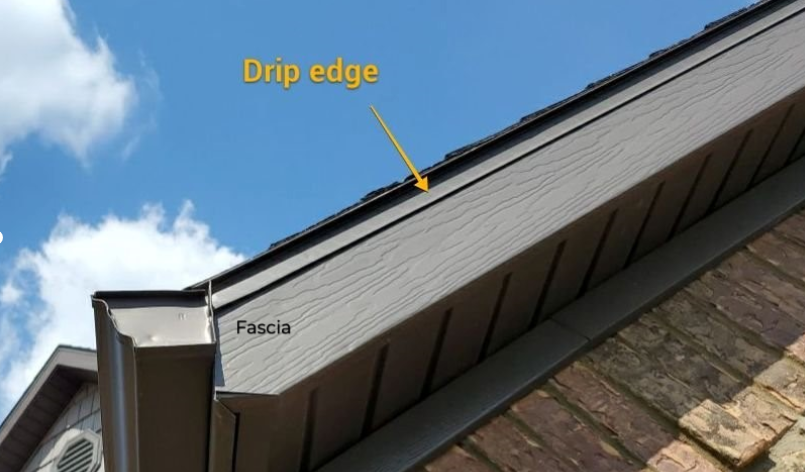
Roof decking, insulation, and framing all act like a sponge and a wick at the same time. Water spreads sideways along a truss or a top plate, pools at a low spot, then drips through the first weak seam it finds. Valleys, chimney flashing, skylights, and gutters, soffit, and fascia are common places where water gets redirected sideways long before it ever shows up as a stain inside your home.
That is why patching drywall where the stain appears rarely solves anything. The actual roof repair has to happen at the point where water is getting in, which is usually uphill and often several feet away from what you can see from your living room.
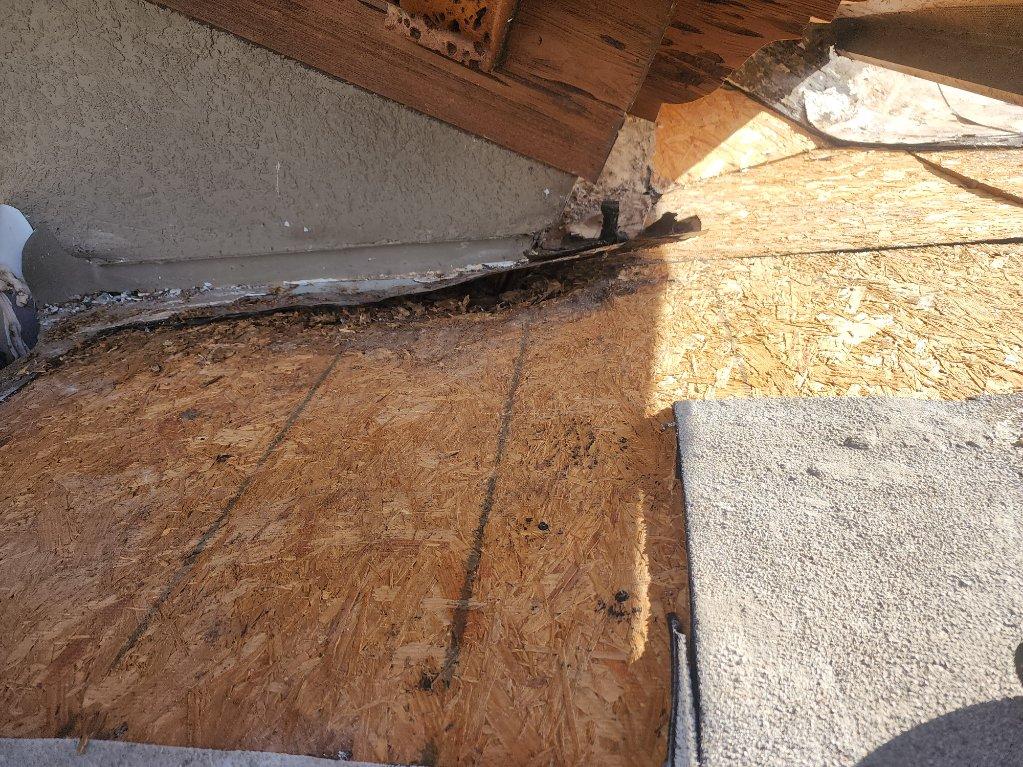
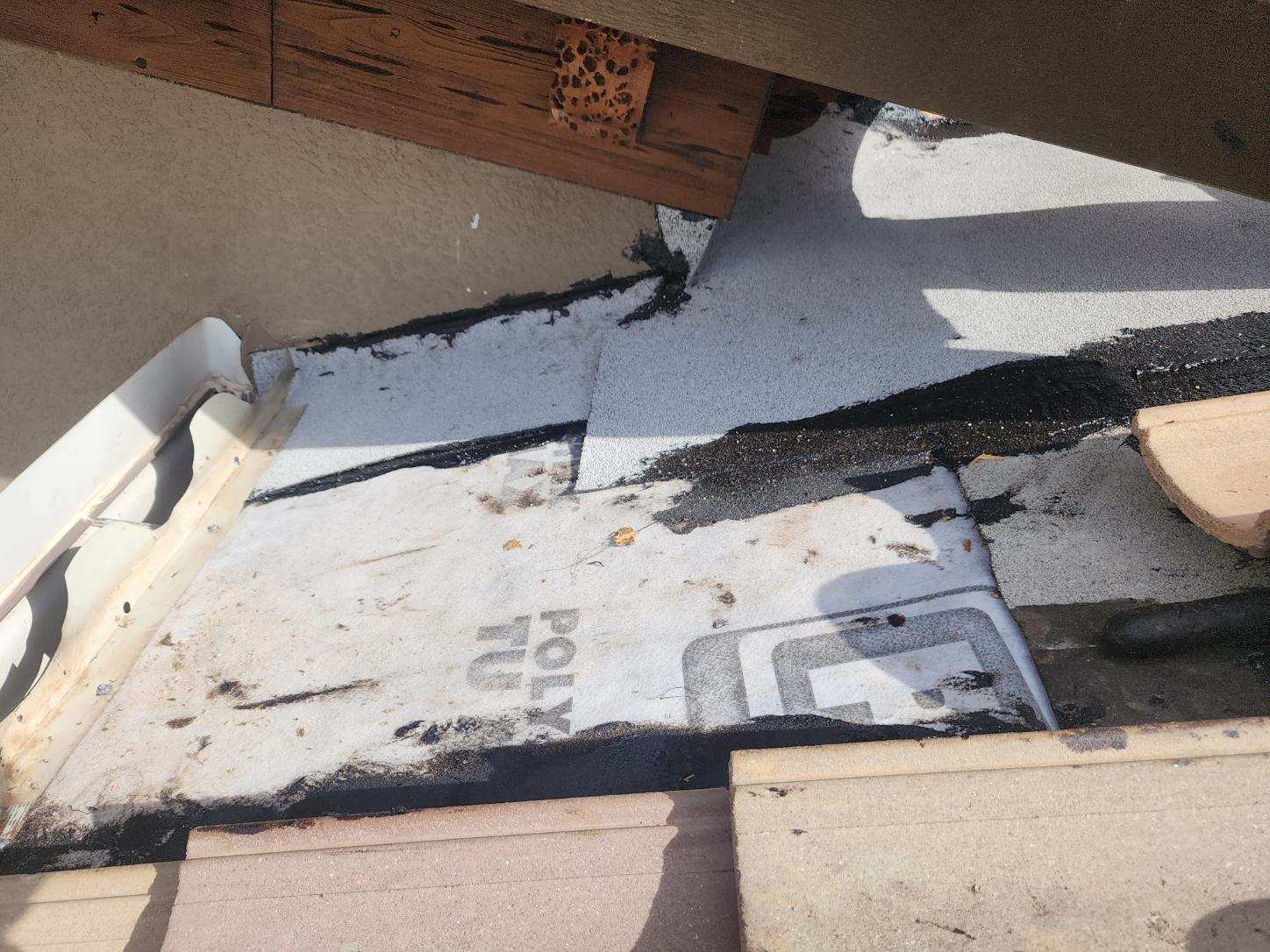
Finding the true leak means tracing the path, not staring at the stain. A proper roof inspection checks the attic side of the roof deck for water trails, dark streaking, or soft spots, then follows them uphill toward flashing, vents, valleys, and roof penetrations, since those are the parts of a roof most likely to let water in.
Common culprits include cracked or slipped tiles, popped nails, worn pipe boots, damaged valley metal, and flashing around chimneys or skylights that has pulled away after years of Florida sun and storms. Once the entry point is confirmed, the repair can target that spot directly instead of guessing.
If you have noticed a new stain, do not wait for it to spread. Contact us today to schedule a free estimate, and see what to expect once your inspection and repair are scheduled.
EXCELLENTTrustindex verifies that the original source of the review is Google. Last summer, we had a small roof leak at our vacation home in SWFL while we had rental guests there. I called Top Hat just based on their excellent Google reviews. Mitch, the owner came out almost immediately and he quickly identified a nail in the roof from where water was entering the home. He remedied the issue/fixed the leak. He said he just happened to have the needed roofing glue/caulk (or whatever they use for that) on his truck and that it was an easy fix and therefore didn’t want to charge me. What a class act. But I knew that when the time came to replace the roof who I would be calling. Sure enough, a couple months later, our insurance company indicated that a new roof was due, or else they wouldn’t renew our policy. I called Top Hat who then replaced our roof at a very competitive price and did a fantastic job. From initial consultation to execution, Mitch the owner and his wife were awesome throughout the entire process. They communicated every step while maintaining the promised deadline. That was back in December and I hadn’t been here since, but just flew in and got to see it finally in person.The new roof and gutters look killer and we’re super happy. Thanks again! I absolutely recommend Top Hat Roofing to anyone. A+Posted on GoogleTrustindex verifies that the original source of the review is Google. I would strongly recommend this company. They were prompt, efficient, honest pleasant to work with. The cost was very reasonable and the quality of the work was excellent.Posted on GoogleTrustindex verifies that the original source of the review is Google. The 2 years that followed Hurricane Ian were a struggle to get my roof replaced. Lost count of the number of roofers who either just never showed up to do the job or wanted to over-charge to do it. Finally found Top Hat Roofing. From first contact to the last, this company never missed a step. If you need anything roof related this company should be your only call.Posted on GoogleTrustindex verifies that the original source of the review is Google. Top hot roofing company just did my roof. The company was great Mitch. The owner of the company was very responsive and very helpful and he did a great job on the roof and the gutters. I would recommend this company 150%. Thank youPosted on GoogleTrustindex verifies that the original source of the review is Google. Top Hat Roofing is by far the best roofing company in the area! I had numerous (very accomplished) roofing companies visit my home. Mitch at Top Hat was the only one who informed me my roof had NO plywood between the metal roof trusses and the metal roof. Mitch went to great lengths in assisting me and my roofing needs. Top Hat: is very professional showed up when scheduled cleaned work area beautifully Thank you Mitch and Team!Posted on GoogleTrustindex verifies that the original source of the review is Google. Great, quality work and fast service. They cleaned everything thoroughly, we found virtually no nails after all the work was completed. We were extremely satisfied and would recommend their work to anyone.Posted on GoogleTrustindex verifies that the original source of the review is Google. Top Hat Roofing did an amazing job replacing our roof! They were there when they promised, were very professional, and finished the work in record time. I would highly recommend them for any roofing work that you may need to have done.Posted on GoogleTrustindex verifies that the original source of the review is Google. From planning to execution I was very impressed with the communication and knowledge of the staff at top hat roofing. My roof was done at a reasonable price, in a reasonable time and it looks great! Thank you!!Posted on GoogleTrustindex verifies that the original source of the review is Google. We couldn’t be happier with our new roof !! Mitch answered all of our questions and was very communicative throughout the process !! He did everything he said he would do ! So refreshing to have a great experience! If you need a new roof look no further. Cannot recommend them enough!!! 10/10Posted on GoogleTrustindex verifies that the original source of the review is Google. Mitch came out quickly and did roof repairs from hurricane Milton. He was professional and very easy to deal with. He also came on time!! Price was very reasonable and I highly recommend his company.Verified by TrustindexTrustindex verified badge is the Universal Symbol of Trust. Only the greatest companies can get the verified badge who has a review score above 4.5, based on customer reviews over the past 12 months. Read more