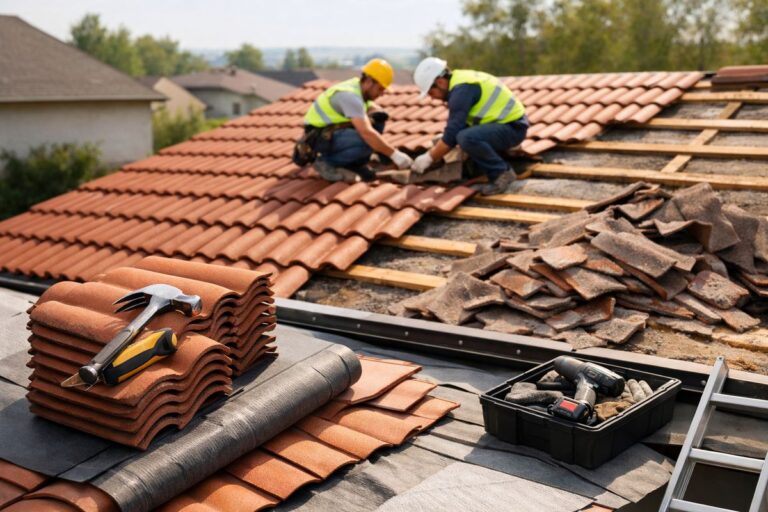
A tile roof replacement can feel like one of those house projects that gets expensive fast, especially after the first leak stain shows up on the ceiling. But if your home sits in Florida sun, salt air, and storm season, knowing when to repair and when to replace can save you from wasting money on patches that won’t hold.
What Tile Roof Replacement Usually Costs in Florida
Tile roofing sits in the premium category. The upfront price is usually much higher than shingles, but the long life changes the math because tile roofs often last 50 to 100 years with proper installation and maintenance.
Typical price range per square foot and total project cost
For most Florida projects, tile roof replacement usually falls somewhere around $7 to $25 per square foot. That broad range exists for a reason: tile material, roof shape, labor, and code work can swing the final number a lot. National research also places clay and concrete tile in the upper tier, with per-square-foot costs well above basic asphalt roofing.
On a smaller, simpler home, that may land in the mid-five figures. On a large coastal property with multiple roof lines, steep sections, and difficult access, the number can climb quickly. Picture a bigger home in Naples or Tampa with a high profile roof, lots of valleys, and premium tile. That project can cost far more than a straightforward inland home with a simple gable roof.
What pushes your price up or down
Material choice is one of the biggest drivers. Clay tile usually costs more than concrete, though appearance and color retention can make that premium worth it for some homes. Roof size matters too, obviously, but complexity matters almost as much. A simple roof is faster to tear off and re-cover. A roof with hips, valleys, chimneys, skylights, or hard-to-reach sections takes more time and more labor.
Labor is a huge part of the bill. Current projections suggest about 60% of roof cost can come from labor, which matters even more on tile because installation is slower and more specialized. Tear-off, disposal, underlayment, flashing, permits, deck repair, and access equipment all add up. If you want a closer breakdown of local pricing, it helps to review what drives Florida roof pricing before comparing bids.
Why Florida replacements can cost more than expected
Florida adds layers of cost that are not optional. Wind uplift rules, fastening requirements, inspections, underlayment standards, and local permitting can all push a bid higher than a homeowner expects at first glance.
Then there’s insurance pressure. In hurricane-prone areas, roofs get examined hard after storms, and older systems may face stricter scrutiny. Coastal exposure also speeds up wear on metal flashings and fasteners. The catch is simple: code-compliant work is the baseline here, not an upgrade.
The Signs Your Tile Roof May Need Replacement, Not Just a Repair
A few cracked tiles do not automatically mean full replacement. But a tile roof is a system, not a pile of individual pieces. What matters most is often hidden underneath.
Broken, slipped, or missing tiles
Scattered broken tiles from foot traffic or one storm event can often be repaired. If the rest of the roof is sound, a targeted fix makes sense. But if cracked, slipped, or missing tiles show up across multiple slopes, the roof may be telling you the whole system is getting tired.
That is especially true if matching tiles are hard to find. Older profiles get discontinued, and patching with almost-right replacements can turn into a frustrating and expensive guessing game.
Leaks, water stains, and recurring moisture problems
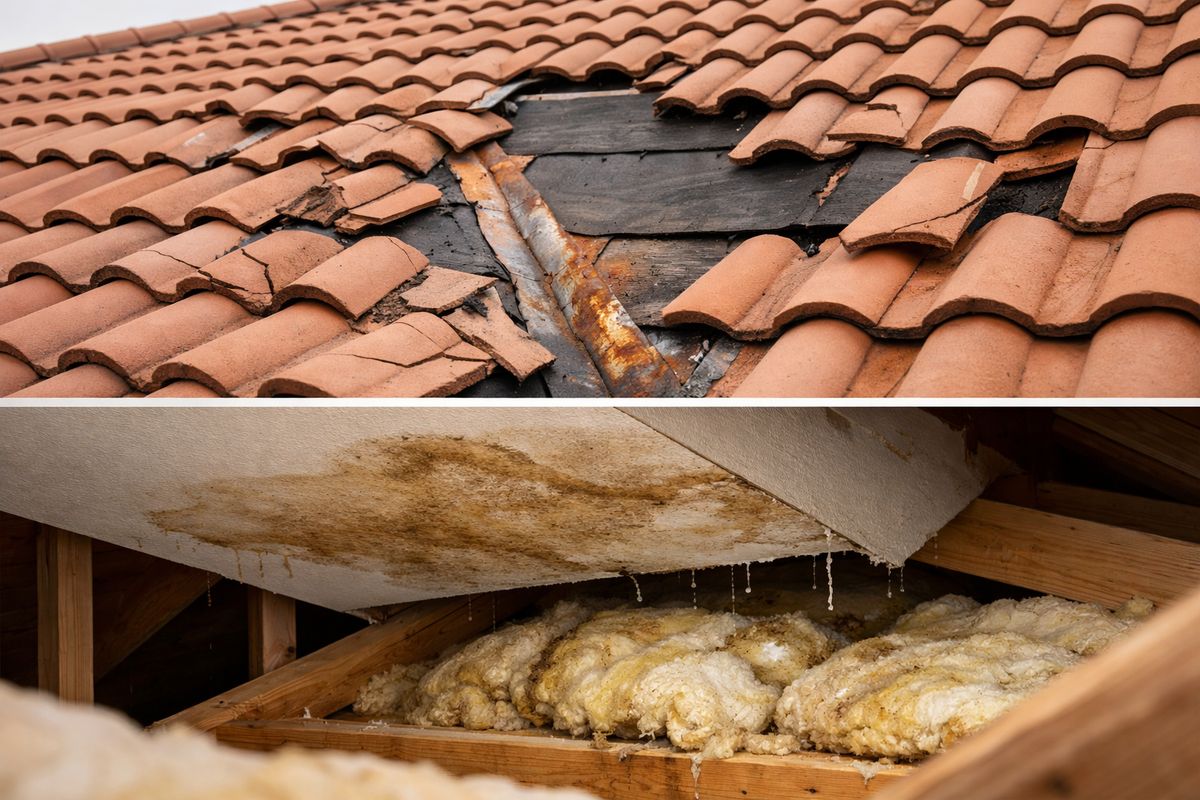
Interior signs usually push the decision faster than exterior ones. Ceiling stains, damp insulation, peeling paint near the top of a wall, or that stale, moldy attic smell after a storm all point to moisture getting where it should not.
Research shows leaks and storm damage are two of the most common reasons roofs get replaced. On tile roofs, the visible tile is often not the true leak source. Water usually gets in because underlayment or flashing has failed below the surface.
Failing underlayment, flashing, and valleys
Here’s the thing: tile often outlasts the parts beneath it. Underlayment is the water-shedding layer below the tile. Flashing is the metal used around chimneys, walls, and penetrations to keep water out. Valleys are the channels where two roof slopes meet and dump a lot of rainwater fast.
On older tile roofs, those components often fail before the tile itself wears out. That is why a roof can look decent from the driveway and still leak repeatedly. If underlayment is brittle, flashing is corroded, or valleys are breaking down, replacement often makes more sense than lifting sections over and over for spot repairs.
Storm, salt, and sun damage in coastal and hurricane-prone areas
Florida is rough on roofs. Wind-driven rain pushes water under vulnerable areas. Flying debris cracks tiles. Salt air speeds corrosion. Years of UV exposure dry out sealants and age exposed components faster than many owners expect.
After a major storm, check for displaced tiles, fresh debris impact, ridge damage, blocked gutters, and new ceiling stains. If storm damage keeps showing up in the same roof zones, the problem may be bigger than one broken tile. Durable systems installed for Florida can handle severe weather well, but performance still depends on fastening, underlayment, and flashing details. You can get a good overview of how modern tile systems perform here.
Repair or Replace? How to Make the Call
This is the decision that saves or wastes the most money. A timely repair is smart. Repeating the same repair on an old roof usually is not.
When a repair still makes sense
Repair makes sense when damage is isolated and the rest of the system still has life left. A few cracked tiles, one flashing problem, or limited storm damage on a roof with healthy underlayment can usually be fixed without replacing everything.
That works best when matching materials are available and the roof has not developed a pattern of recurring leaks.
When replacement is the smarter long-term move
Replacement becomes the better move when leaks keep coming back, underlayment is aging out, damage is widespread, or earlier repairs have turned the roof into a patchwork. If tiles are discontinued, brittle, or hard to reset without breakage, labor costs can pile up fast.
Patching an old tile roof over and over is usually the expensive way to save money. If the roof system is near the end, full replacement often costs less in the long run than another round of temporary fixes.
Questions to ask during a professional roof inspection
During an inspection, ask direct questions. Is the roof deck sound? How old is the underlayment? Can existing tiles be reused without excessive breakage? Is the framing adequate for the current system? What code upgrades will be required if replacement starts?
A documented inspection matters more than a quick glance from the driveway. For a deeper look at what a proper assessment should cover, it helps to understand what a Florida roof check should include.
Your Main Tile Roofing Options During Replacement
Replacement is also decision time. Stay with tile, reuse what you can, or switch materials entirely.
Concrete vs. clay tile
Concrete tile usually costs less and offers strong durability. Clay tile often wins on classic appearance and long-term color stability. Both can work very well in Florida if installed correctly and paired with the right underlayment and fastening pattern.
Weight matters with both, though clay and concrete differ in feel, finish, and profile options. If you are sorting through those tradeoffs, this guide to comparing the two main tile types helps narrow the fit.
Reusing existing tile vs. installing new tile
Sometimes existing tile can be removed, stored, and reset over new underlayment. This is most realistic when the tile is still in good shape, the profile is worth preserving, and breakage during removal is expected to stay manageable.
But salvage and reset is not automatically the cheaper path. Handling, sorting, replacing broken pieces, and matching old material can get labor-heavy. If too many tiles are brittle, new material may be the cleaner solution.
Switching from tile to another roofing material
Some owners switch to metal or shingles to cut upfront cost or reduce structural load. That can make sense, especially if framing upgrades would be expensive. But the tradeoff is real: lower purchase price often means shorter lifespan, a different appearance, and different performance in heat and wind.
Structural, Energy, and Code Issues You Should Check Before You Sign
A good estimate covers more than tile color and square footage. The practical stuff decides how well the roof performs ten years from now.
Roof framing and weight capacity
Tile is heavy. Your framing has to carry that weight safely, especially if you are staying with tile or upgrading from a lighter material. That structural check should happen before work begins, not after materials arrive.
Ventilation and energy efficiency
Ventilation simply means giving heat and moisture a path out of the roof assembly. When attic heat gets trapped, roofing materials age faster and indoor cooling costs rise. Properly detailed tile roofing can help reduce heat transfer in hot climates, which is one reason many Florida owners stay with it.
Florida permits, inspections, and hurricane code compliance
Your project may trigger permits, inspections, fastening upgrades, and water barrier requirements depending on local jurisdiction and the scope of replacement. Ask what is included in the quote. Do not assume permits, disposal, and code items are baked into the total just because the number looks polished.
What to Expect During the Tile Roof Replacement Process
Knowing the sequence helps the whole project feel less chaotic.
Inspection, estimate, and material selection
The process usually starts with a site visit, measurements, photos, and a scope review. Some contractors use drone imaging on older or complex roofs, which is especially helpful when fragile tile should not be walked unnecessarily.
From there, you choose tile type, profile, color, underlayment, and accessory materials. This is also the point to pin down flashing details, permit responsibility, and warranty language.
Tear-off, deck repairs, and installation
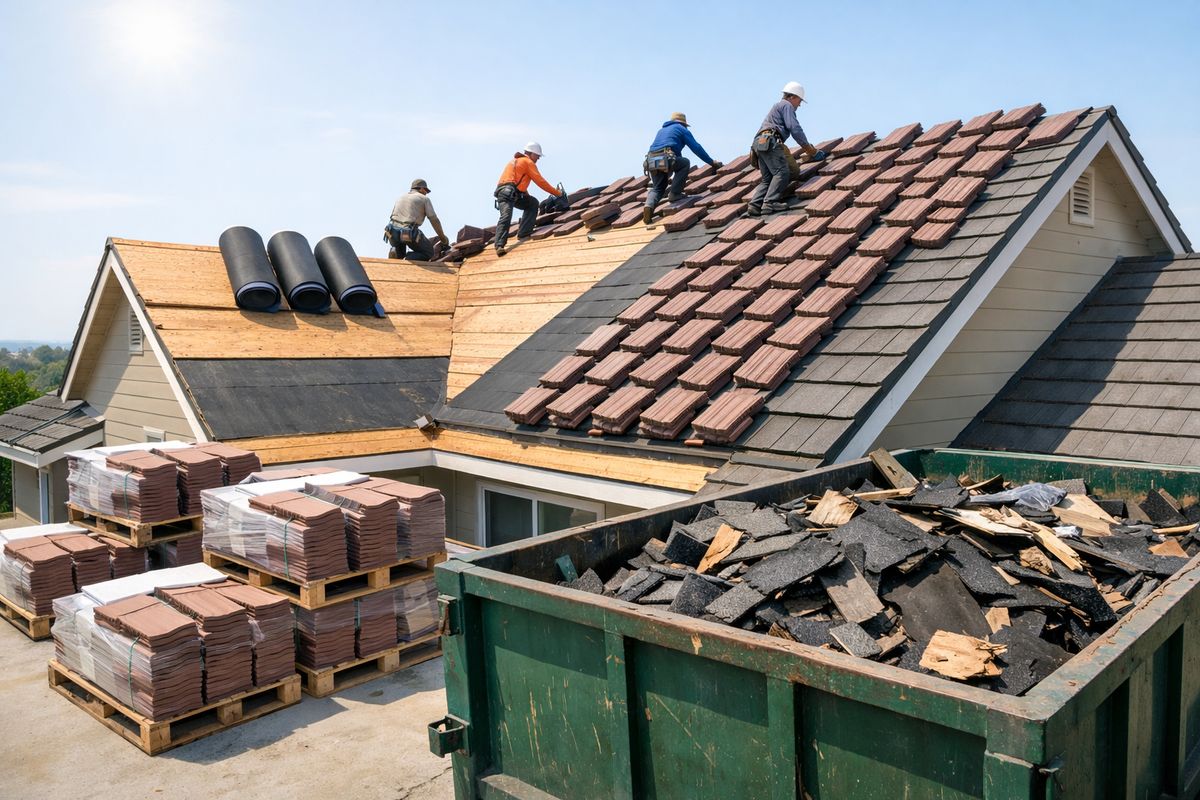
Once work starts, old roofing comes off first. Damaged decking gets replaced as needed. Then underlayment goes down, flashing is installed, and tile is set and secured according to local code and manufacturer requirements.
This is also where hidden costs can appear. Tear-off, disposal, permits, and deck repair are common add-ons if they were not clearly defined upfront.
Timeline, noise, and property prep
Replacement week can feel like living next to a rolling toolbox. Expect noise, crew movement, material deliveries, and limited driveway access. Dumpsters, trailers, and staging areas need space, and landscaping usually gets protective covering.
Weather can slow everything down, especially in rainy months. Good preparation helps a lot: move vehicles, protect fragile outdoor items, and ask where crews will access power and materials. If you want a better sense of scheduling, this breakdown of what the timeline usually looks like is useful.
How to Compare Tile Roof Replacement Quotes Without Getting Burned
Top-line price is not enough. Two bids that look close can cover very different scopes.
What a solid quote should include
A strong quote spells out materials, underlayment type, flashing work, tear-off, disposal, permit handling, deck repair allowances, warranty terms, and cleanup. If any of that is vague, the estimate is not done yet.
Red flags in low bids
Low bids often hide missing scope. Watch for unclear line items, no permit language, no mention of underlayment, oddly short warranties, pressure to sign fast, or cash-only payment requests.
Cheap roofing is rarely cheap for long. If the number looks surprisingly low, something is probably being skipped.
Contractor credentials and questions worth asking
In Florida, verify license status, insurance, local experience, and actual familiarity with hurricane-zone installation. Tile roofing has its own details, and not every crew handles those details well. A careful hiring process matters, especially on a premium roof system, so it helps to review how to vet the crew before signing.
Common Mistakes to Avoid Before and During Replacement
Most expensive roofing mistakes start with one wrong assumption.
Focusing only on broken tiles
Visible tile damage gets attention because it is easy to spot. But older tile roofs often fail underneath first. If the underlayment, flashing, or valleys are worn out, replacing a few visible tiles does not solve the actual problem.
Choosing based on price alone
The cheapest quote can mean weaker materials, rushed labor, or missing code items that show up later as change orders. On tile roofing, details matter. A lower bid is only a deal if the scope is truly equal.
Skipping post-storm inspections and routine maintenance
After replacement, maintenance still matters. Annual inspections, clean gutters, and quick repairs help the roof last longer, especially near the coast where salt, debris, and hard rain do extra work every year.
Your Next Steps if You Think Your Tile Roof Is Reaching the End
Once a tile roof starts showing age in multiple ways, waiting rarely improves the outcome.
Start with a documented inspection
Book a professional inspection that includes photos, moisture findings, and a clear repair-versus-replace recommendation. That gives you something real to compare against future estimates, instead of relying on sales talk.
Gather two or three detailed estimates
Put bids side by side and compare scope, materials, underlayment, code upgrades, and warranties. Price matters, but only after the work itself matches.
Plan timing before the next major storm season
If your roof is already showing leaks, slipped tile, or worn underlayment, get ahead of storm season instead of reacting in the middle of it. Better scheduling, fewer emergency costs, and less stress usually come from acting early. Try one thing now: schedule an inspection before the next heavy rain turns a manageable roofing issue into ceiling damage.
Frequently Asked Questions
How long does a tile roof replacement usually last in Florida?
A properly installed tile roof can last 50 to 100 years, though Florida storm exposure, salt air, maintenance habits, and installation quality all affect that range.
Can you replace just the underlayment and keep the old tiles?
Sometimes, yes. If the existing tiles are in good condition and can be removed and reset without excessive breakage, salvage and reset may work. If the tiles are brittle or discontinued, new tile is often the better choice.
Is tile roof replacement covered by insurance?
Coverage depends on the cause of damage and your policy terms. Storm damage may be covered, but age-related wear usually is not. It is smart to review deductibles, depreciation terms, and any actual cash value language before counting on coverage.
Are concrete tiles or clay tiles better for Florida homes?
Both can perform well in Florida. Concrete often costs less and holds up well. Clay usually offers a more traditional look and strong color retention. The better choice depends on budget, style, structural load, and installation quality.
How do you know if a leak is coming from the tile or from underneath?
In many cases, the leak source is underneath. Failed underlayment, corroded flashing, or worn valleys often cause leaks even when the tile still looks fine from the ground. That is why inspection matters more than guessing from visible damage alone.
How often should a tile roof be inspected?
Once a year is a good rule, plus after major storms. That schedule helps catch cracked tiles, flashing problems, clogged drainage, and hidden moisture before small issues turn into expensive repairs.