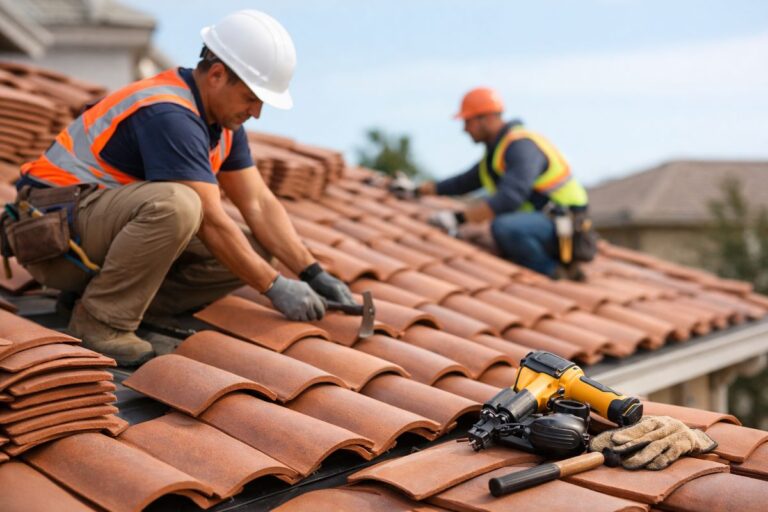
Choosing a tile roofing contractor gets tricky fast because a tile roof can look solid from the street while water is already working its way underneath. If your home sits anywhere near Florida salt air, summer heat, or hurricane season, the right crew needs to understand far more than broken tiles.
Why a Tile Roofing Contractor Is Not the Same as a General Roofer
A tile roof is its own system. The visible tile matters, of course, but so do the layers below it, the way the metal flashing is shaped, the fasteners holding everything in place, and the condition of the roof deck underneath. On a hot afternoon in Tampa or after a windy coastal storm, weak spots show up fast.
Here’s the thing: a crew that does fine work on shingles can still make expensive mistakes on tile. Tile is heavier, more brittle under foot traffic, and less forgiving when details are skipped. A true tile specialist knows how to walk it, lift it, store it, remove it, and reinstall it without turning a repair into a bigger problem.
Start With the Parts of the Roof That Actually Fail
Many tile roofs last a long time because the tile itself is durable. Concrete tile can last 40 to 50 years or more, and clay can last even longer. But the parts that usually fail first are below the surface. That is why a smart buying decision starts with the hidden layers, not just the pieces you can see from the driveway.
Underlayment, Flashing, and Ridge Details
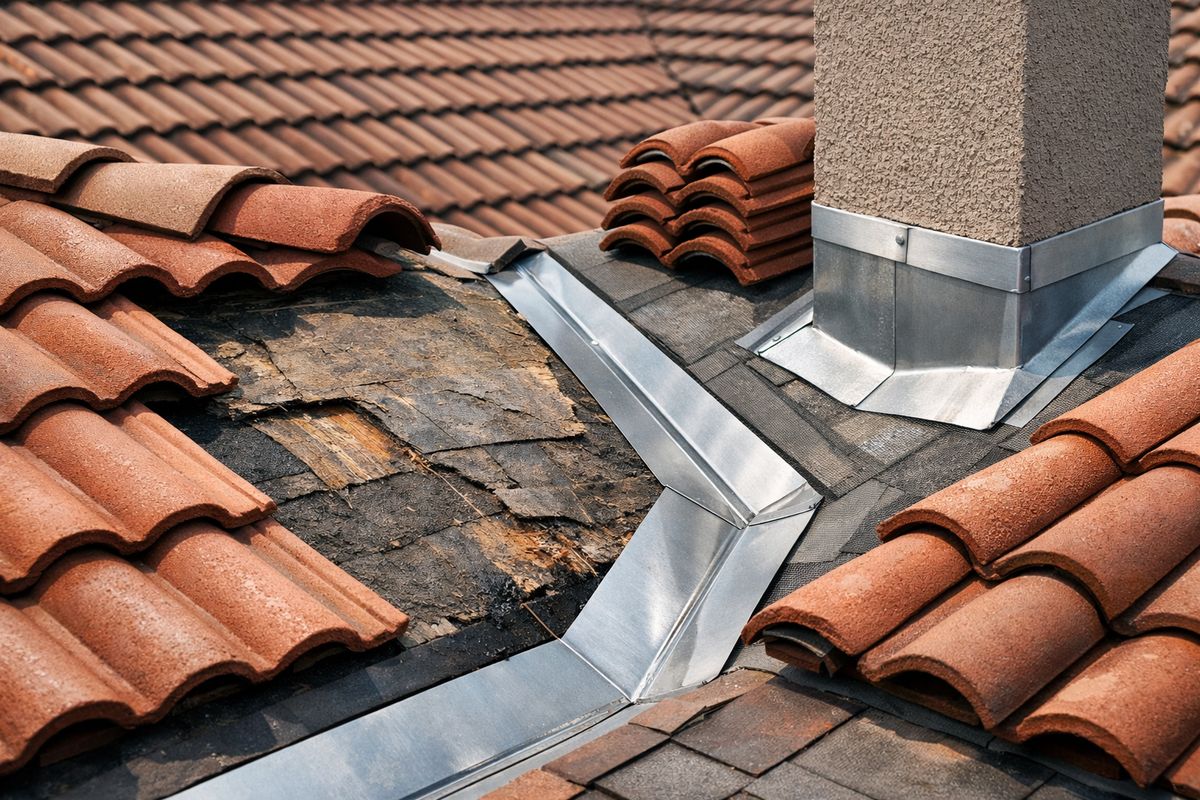
Underlayment is the waterproof barrier under the tile. Flashing is the metal used around roof edges, valleys, chimneys, vents, and wall connections to keep water out. Ridge details are the parts along the top seams of the roof where sections meet and need to shed water cleanly.
Those three areas are where leaks often begin. In many tile roofs, the tile still looks decent while the waterproofing underneath is already aging out. That is especially common on older Florida homes where heat, rain, and wind work the roof year after year.
Repair vs. Replacement: What a Good Crew Should Catch
A good crew does not just count cracked tiles and call it a day. You want somebody who checks for repeat leak patterns, worn underlayment, failing flashing, soft decking, and widespread tile breakage.
A useful rule of thumb is this: when about 25 to 30 percent of the tiles are cracked, broken, or missing, replacement becomes a much more serious conversation. The same goes for underlayment that is 20 to 25 years old or older. If you keep paying for spot repairs while the same leak returns, the roof is usually telling you the problem sits deeper in the system. If you need help sorting out those signs, this guide on when an older tile roof is ready for bigger work lays out the decision points clearly.
What to Look for When Hiring the Right Crew
This is where most hiring mistakes happen. A polished estimate and a friendly sales visit are nice, but they are not the main thing. You want proof that the crew knows tile specifically, understands Florida requirements, and has a process that protects your house from hidden shortcuts.
Proven Tile-Roof Experience
“Roofing experience” is too vague. Ask how many tile roofs the company has installed, repaired, or re-roofed in the past year. Ask whether that work included concrete tile, clay tile, lift-and-reset jobs, and underlayment replacement beneath existing tiles.
That detail matters because not every tile job is the same. Repairing a few slipped concrete tiles is one skill. Carefully removing and reusing older clay tile without excessive breakage is another. If you are still deciding on material, it helps to understand how clay and concrete behave differently in Florida homes before comparing contractors.
Florida Licensing, Insurance, and Code Knowledge
In Florida, paperwork is not a side issue. It is part of the job. Verify active licensing, liability insurance, workers’ compensation coverage, and who is responsible for permits and inspections. In storm-prone areas, code knowledge matters because poor fastening, bad flashing details, or missed wind-uplift requirements can turn into a claim denial later.
This matters even more because Florida has 25,190 roofers, which means plenty of options, but also plenty of uneven quality. A quick check of what to verify before hiring any Florida roofer can save you from trusting the wrong paperwork.
Crew Skill, Supervision, and Jobsite Practices
Labor shortages are real in roofing, and tile work shows that problem more than most categories. In a 2026 industry survey, 36% cited worker shortages as a major challenge. That means you should ask who will actually be on your roof, whether subcontractors are used, who supervises the job daily, and how tile breakage is controlled.
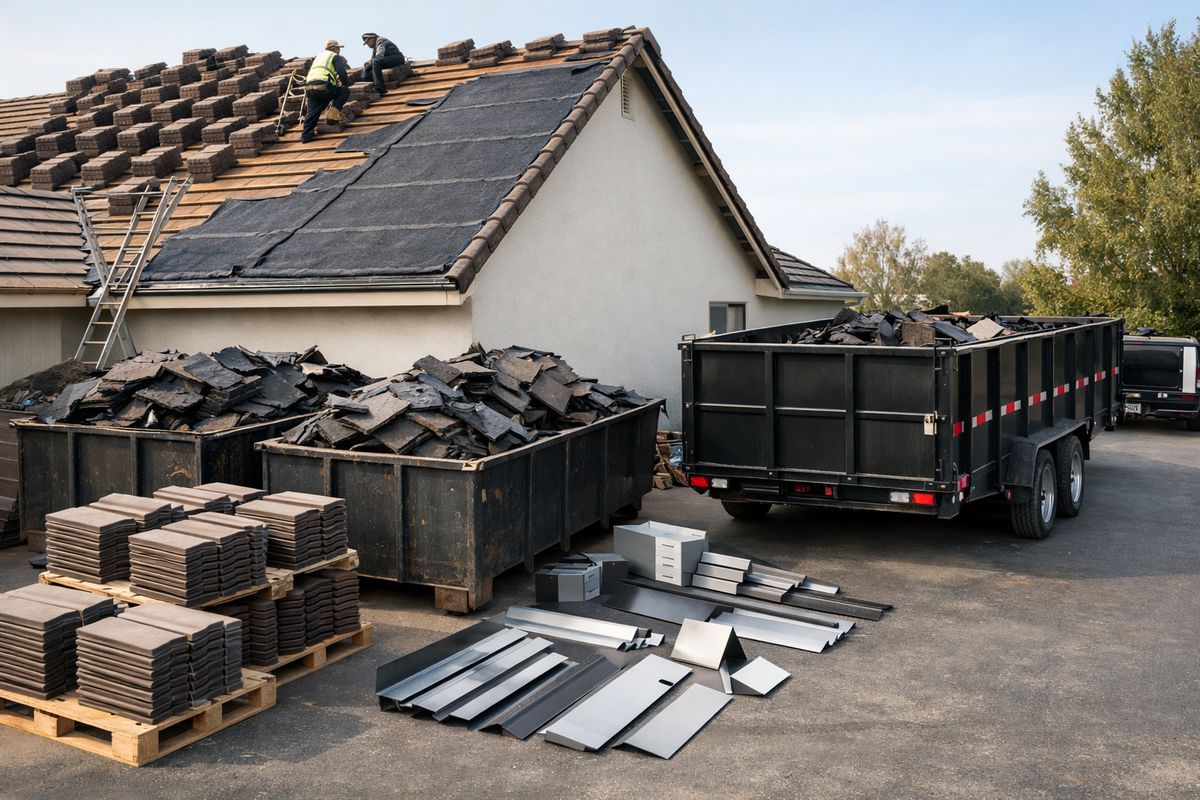
Also ask how landscaping, driveways, gutters, and pool enclosures are protected. Good crews think about staging, debris control, and how tiles are stacked before the first piece comes off. Sloppy jobsites usually point to sloppy roof details. It is the same instinct.
Warranties and What They Really Cover
Manufacturer warranties cover the roofing product itself. Workmanship warranties cover the installation. Those are not the same thing, and you want both explained in plain English.
Check what is covered, how long coverage lasts, and what could void it. Pay extra attention to underlayment, flashing, and penetration work around vents or skylights. If the paperwork stays vague there, assume the risk is being pushed onto you.
Questions to Ask Before You Sign Anything
This is the part to keep handy during estimates. The trick is not asking more questions. It is asking the few that expose whether the crew actually understands tile.
Ask About Recent Tile Projects Like Yours
Ask for recent photos, local references, and examples from homes with similar conditions. Coastal exposure, high heat, salt air, and wind all change how a roof ages. A contractor that has worked in neighborhoods like Clearwater Beach, Sarasota, or inland hurricane corridors has more relevant experience than somebody showing generic roof photos from anywhere.
You are not looking for promises. You are looking for proof.
Ask How the Crew Inspects the Full Roof System
Ask whether the estimate includes checking the deck, flashing, valleys, penetrations, mortar, and underlayment, not just replacing visible tile damage. A proper inspection is like checking the foundation before repainting a wall. If the base is failing, surface fixes do not last.
If you want a better sense of what a proper checkup should include, this breakdown of what roof inspections in Florida usually cover is worth reading before the appointments start.
Ask for a Clear Scope and Material List
The proposal should spell out tile type, underlayment layers, flashing replacement, attachment method, ventilation details, cleanup, disposal, and permit responsibility. If one estimate says “repair tile roof” and another details every layer, those are not equal bids even if the price difference looks uncomfortable.
Clarity is what lets you compare apples to apples.
How to Compare Estimates Without Getting Tricked by the Lowest Price
The lowest bid is tempting because roofing numbers get big fast. But tile roofing is one place where cheap work gets expensive fast. If an estimate leaves out the hidden parts of the system, you are not saving money. You are prepaying for the callback.
What Drives the Cost of a Tile Roofing Job
Cost usually comes down to roof size, pitch, tile type, underlayment replacement, flashing complexity, access, disposal, and whether tiles can be reused. Structural reinforcement can also matter if the home was not originally framed with tile loads in mind.
Labor is a big piece of the bill, and 40 to 60% of replacement cost often goes to labor alone. Steep roofs and tricky access raise that number even more. For a closer look at pricing, what shapes tile roof costs in Florida helps make estimates feel less mysterious.
When a Higher Bid Is Actually the Better Deal
A higher estimate can be the better deal if it includes new flashing, proper waterproofing layers, code-compliant fastening, deck repairs, and a realistic cleanup plan. That is especially true if another bid looks light on materials or suspiciously quiet about permits.
The catch is simple: a tile roof is a long-life system. Paying more for correct installation protects that lifespan. Paying less for shortcuts usually shortens it.
Common Mistakes That Lead to Leaks, Callbacks, and Regret
Most bad roofing decisions are not dramatic. They are small missed details stacked on top of each other, like buying a car because the paint looks good while ignoring the engine light.
Hiring a Shingle Roofer for a Tile-Specific Job
Shingle crews often move fast, but tile requires a different rhythm. Tile handling, underlayment sequencing, flashing transitions, and safe foot traffic all change. If the crew mainly does asphalt roofs, do not assume the skills transfer cleanly.
Focusing Only on Broken Tiles You Can See
Visible cracks are only the obvious part. Older tile roofs often fail below the surface first, especially once underlayment gets tired. If you only fix what is visible, you can miss the actual leak path by several feet.
Skipping References, Permits, or the Written Scope
A handshake deal can feel easy in the moment. It gets a lot less charming when a storm claim, resale question, or leak dispute shows up later. Written scope, permits, insurance proof, and real references protect your money and your timeline.
Best Contractor Match by Use Case
The best contractor depends on the kind of job sitting in front of you.
If You Need a Small Repair
Look for a repair-focused tile contractor that can trace leaks, match replacement tiles, and inspect the underlayment condition instead of just swapping a few pieces and leaving. A small repair should still come with a real diagnosis.
If You Need Underlayment Replacement on an Older Tile Roof
For a lift-and-reset or re-roof, you want strong tile handling experience, a deck inspection process, a flashing replacement plan, and a detailed reinstall scope. This kind of job is all about what happens below the tile, not just the finish layer.
If You Need a Full Replacement in a Hurricane-Prone Area
Choose a contractor with strong Florida code knowledge, permit experience, wind-resistant installation methods, and recent work in exposed coastal markets. Insurance and code changes are also pushing more reroofing work in Florida, especially on older homes with aging systems.
A Simple Next Step Before You Choose
Get two or three tile-specific estimates, then compare how each crew talks about underlayment, flashing, deck condition, and code compliance. If one contractor only talks about tile color and price, keep looking.
Try that one step first. It usually makes the right choice a lot easier to spot.
Frequently Asked Questions
How do you know if a contractor really specializes in tile roofing?
Ask for recent tile projects, not just roofing projects. You want examples of concrete or clay tile repairs, underlayment replacement, or lift-and-reset work that matches your roof type.
Can a few broken tiles be repaired without replacing the whole roof?
Yes, sometimes. If damage is limited and the underlayment is still in good shape, a repair can make sense. If leaks keep coming back or damage is widespread, a larger project may be the smarter move.
How long does a tile roof usually last in Florida?
The tile itself can last for decades, often 40 to 50 years or more for concrete and longer for clay. The underlayment and flashing usually wear out sooner, often around the 20 to 25 year mark.
Is tile roofing more expensive than shingles?
Usually, yes. But the comparison is not just upfront price. Tile often lasts longer, handles heat well, and can make more sense over the long haul if installed correctly.
What should be included in a tile roofing estimate?
Look for tile type, underlayment details, flashing work, fastening method, deck repairs if needed, ventilation, cleanup, disposal, permit responsibility, and warranty terms. If those details are missing, the estimate is incomplete.