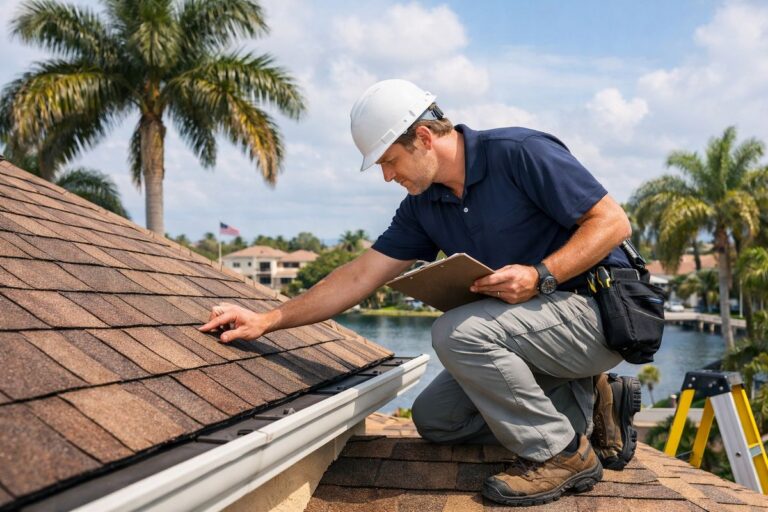
That small ceiling stain that shows up after an August downpour in Tampa is rarely “just a spot.” A roof inspection Florida homeowners schedule on time is basic risk management, not picky maintenance. You’re checking how your roof is handling wind, heat, salt, rain, and insurance pressure before any of that turns into a bigger bill.
Why Roof Inspections Matter More in Florida
Florida is rough on roofs. Hurricanes and tropical storms get the attention, but the daily wear matters too: blazing sun, trapped heat, wind-driven rain, and salty coastal air that slowly eats at metal parts and sealants.
Here’s the direct claim: in Florida, skipping inspections is a gamble. A roof can look fine from the driveway and still have lifted shingle edges, cracked tile, weak flashing, or early corrosion that only shows up when the next storm leans on it.
What a Roof Inspection in Florida Actually Includes
A standard roof inspection is a professional check of your roof’s visible condition, drainage, leak risk, and signs of structural trouble. You’re paying for trained eyes, photos, notes, and repair guidance, not just somebody glancing up for five minutes.
Early in the process, you should know what kind of inspection you’re getting and whether the attic is included. That part matters more than most people realize.
Exterior Roof Check
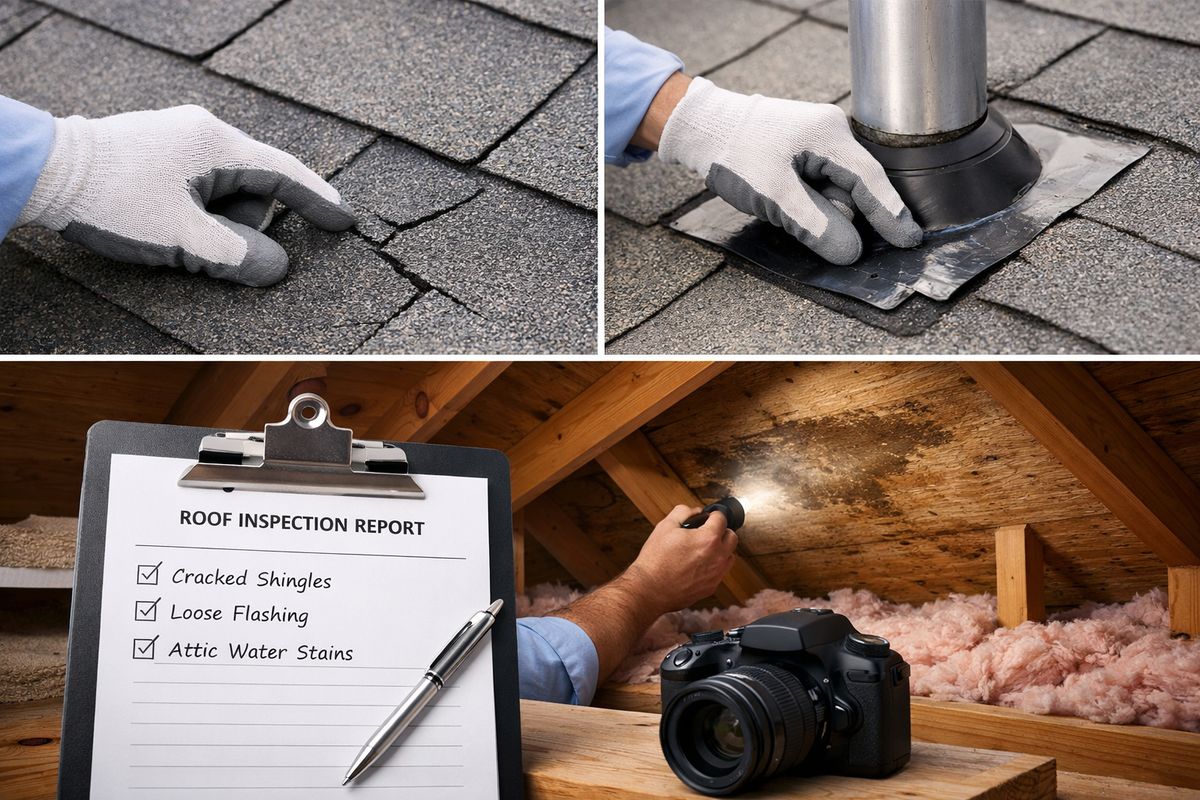
Outside, the inspector looks for missing shingles, cracked or slipped tiles, rust on metal panels, loose flashing, clogged valleys, ponding water on flat sections, and failed sealant around vents, skylights, and chimneys. On tile systems, underlayment age can matter as much as the tile itself, especially if you’re comparing upkeep needs for different Florida tile options.
Interior and Attic Check
Inside, the focus shifts to water stains, damp roof decking, mold, insulation damage, and ventilation, which simply means airflow that helps heat and moisture escape. If daylight is sneaking through where it should not, that is a problem.
Documentation You Should Expect
A useful report includes photos, condition notes, repair recommendations, and clear descriptions of problem areas. That paperwork can help with insurance, contractor bids, and resale conversations later.
When You Should Schedule a Roof Inspection
Twice a year is the smart baseline in Florida, and twice-yearly checks are widely recommended for a reason. One inspection before hurricane season and one after gives you the best shot at fixing weak spots early and catching damage once the weather settles down.
You should also schedule one after a named storm, before buying or selling, before installing solar, after spotting a leak, or when the roof is getting older and insurance starts asking harder questions.
Best Times of Year in Florida
Spring works well as a pre-season check. Fall works well as a post-season reset. That timing gives you a clear picture before storms start and another after months of heat, rain, and wind.
Signs You Shouldn’t Wait
Don’t wait if you notice ceiling stains, curled shingles, granules in gutters, musty attic smells, sagging roof lines, higher cooling bills, or visible rust near the coast. Small roof problems love to announce themselves quietly first.
Florida-Specific Problems Inspectors Look For
A generic inspection is not enough in Florida. Local climate and insurance demands make experience with hurricane exposure, coastal wear, and code issues especially valuable.
Hurricane and Wind Damage
Strong wind can loosen shingles, flashing, fasteners, and tile edges without ripping off half the roof. That’s the catch. Damage often hides in attachment points and lifted edges that you won’t see from the driveway.
Salt Air, UV, and Heat Wear
Near the coast, salt air speeds up corrosion on metal components. UV and heat dry out sealants and make roofing materials brittle over time. Sun works like slow sandpaper here, day after day.
Drainage and Heavy Rain Issues
Florida rain is fast and unforgiving. Clogged gutters, backed-up valleys, poor drainage on low-slope roofs, and ponding water can turn tiny failures into active leaks in one storm.
Types of Roof Inspections You May Need
Not every inspection is the same, and choosing the right type keeps you from overpaying.
Standard Visual Inspection
This is the routine option for maintenance and visible damage. It may be done from the roof, ladder, ground, or some mix of all three.
Drone and Infrared Inspections
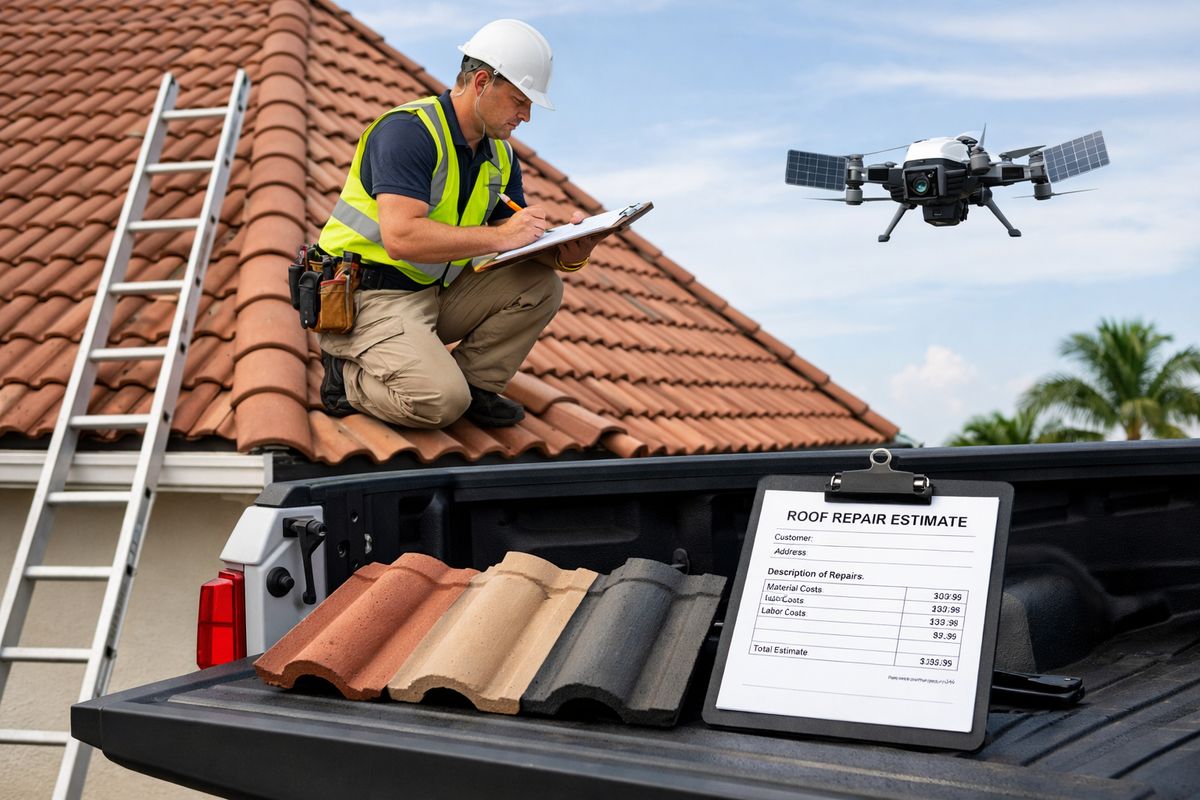
Drone inspections help on high, steep, or fragile roofs, and drone pricing often falls in the $200 to $400 range in South Florida. Infrared uses heat-sensing imaging to spot hidden moisture, which is especially useful on flat roofs or persistent leak cases.
Wind Mitigation and Insurance Inspections
These are separate from a standard roof inspection. Wind mitigation focuses on features that help your home resist wind and may support discounts, while insurance inspections often require specific forms, photos, and age or condition details.
How Much a Florida Roof Inspection Costs
For most homes, expect about $120 to $400 for a standard inspection, with typical Florida pricing depending on roof size, height, complexity, and report needs. Basic visual checks sit at the lower end. Infrared and more formal documentation cost more.
Why Prices Vary
Steep pitch, difficult access, taller buildings, fragile materials, and detailed insurance or real estate reports all raise the price. If your roof is tile, it also helps to hire somebody who understands tile-specific maintenance issues instead of treating it like shingles.
Free Inspections: The Catch
Free inspections from contractors can be useful if you already expect repairs or replacement. But if you want a neutral opinion for insurance, resale, or a second look after storm damage, an independent inspection is usually the better bet.
Insurance, Roof Certifications, and Florida Paperwork
Insurance is a big reason people search for roof inspections in Florida. Some insurers get nervous about roof age, and older roofs often trigger more questions, more documentation, or demands for repairs before renewal.
Roof Inspection vs. Roof Certification
An inspection describes the current condition. A certification goes further and states whether the roof is expected to last a certain period, if that service is offered. Those are not interchangeable.
What to Save for Claims and Renewals
Keep dated photos, inspection reports, repair invoices, permits, and wind mitigation paperwork together. If storm damage happens later, that paper trail can make the claim process much less messy.
Roofing Materials and How Inspection Needs Change
Different roofing materials fail in different ways. That sounds obvious, but it matters when you’re hiring an inspector.
Shingle Roofs
With shingles, inspectors usually focus on granule loss, curling, lifted tabs, flashing wear, and storm damage patterns. If repair turns into replacement, it helps to understand what a full reroof can cost in Florida before making decisions under pressure.
Tile, Metal, and Flat Roofs
Tile roofs can have cracked or slipped pieces, but the underlayment below is often the hidden story. Metal roofs bring corrosion and fastener issues. Flat and low-slope roofs are more about seams, drainage, and ponding.
How to Choose the Right Roof Inspector
Look for proper licensing where required, insurance coverage, experience with your roof type, and real familiarity with Florida storm damage and insurance paperwork. Sample reports help too. So does local code knowledge.
Questions to Ask Before You Book
Ask what type of inspection this is, whether the attic is included, whether you’ll get photos, and whether coastal or hurricane-exposed homes are part of the inspector’s regular work. If you need repair bids too, start with guidance on how to vet a Florida roofer.
What You Can Check Yourself Between Professional Inspections
You can do a lot safely from the ground. You should not walk the roof just to satisfy your curiosity. Falls are a real risk, and roofing remains one of the most dangerous jobs.
Safe DIY Roof Check
Use binoculars to look for missing shingles, bent flashing, debris piles, sagging lines, gutter overflow, and loose soffit or fascia pieces. After heavy rain, check the attic for damp spots, stains, and musty smells.
Simple Maintenance That Helps
Clear debris from valleys and drains, trim back branches, clean gutters, watch for algae streaks, and fix small issues quickly. A minor repair now can beat a major replacement later.
What to Do if the Inspection Finds Damage
Sort the findings into urgent repairs, short-term fixes, and monitor-only items. Get estimates, confirm whether permits are needed, and use the report to plan work before the next storm window makes the choice for you.
One smart move beats a lot of worrying: schedule one inspection before hurricane season instead of waiting for a leak to make the decision.
Frequently Asked Questions
How often should you get a roof inspection in Florida?
Twice a year is the best baseline, usually once in spring and once in fall. You should also schedule one after major storms or if you notice leak warning signs.
Does a roof inspection help with Florida insurance?
Yes. Inspection reports, photos, repair records, and wind mitigation paperwork can support renewals, claims, and discount opportunities. Insurance inspections and routine inspections are related, but not always the same service.
How long does a roof inspection take?
Most residential inspections take about 45 minutes to 2 hours, depending on roof size, height, material, and whether the attic and formal report are included.
Is a free roof inspection worth it?
It can be, especially if you already expect repair work and want an estimate. If you need unbiased documentation for insurance, resale, or a dispute, a paid independent inspection is usually more reliable.
Can you inspect your own roof?
You can safely check from the ground and in the attic. Walking the roof is not worth the fall risk, especially on tile, steep, wet, or heat-baked surfaces.