
If you’re asking how long does roof replacement take, the plain answer is this: the full project usually takes a few weeks, but the loud, messy part on your roof is often just 1 to 5 days. That gap surprises a lot of people, especially in Florida, where permits, weather, insurance, and storm demand can slow the front end more than the install itself.
How Long Does Roof Replacement Take, Really?
A roof replacement has two timelines. The first is the total project timeline, from inspection to final sign-off. The second is active construction time, meaning the days a crew is actually tearing off and installing your roof.
For many homes, total time lands somewhere around two to six weeks, while the roofing work itself may only take a few days. In some busy regions, especially after major storms, the wait can stretch longer. That’s why “my neighbor got a roof in one day” can be true and still not match your schedule at all.
A Real Roof Replacement Timeline From Start to Finish
Planning, inspection, and estimate: usually 1 to 7 days
This is where the project really starts. Your contractor measures the roof, takes photos, checks problem areas, and may look in the attic for signs of leaks, poor ventilation, or decking damage. A good inspection is not just a quick glance from the driveway.
Your estimate should spell out materials, underlayment, flashing, cleanup, permit handling, and any allowance for replacing damaged wood. If you’re comparing bids, understanding what a Florida roof inspection should cover makes that process much easier. A one-line price sounds simple, but it often creates delays later.
Insurance approval and paperwork: often 1 to 2+ weeks
If storm damage is involved, this part can take longer than expected. Insurance approval alone often takes 1 to 2 weeks, and sometimes longer if more documentation is needed.
In Florida, wind claims after a rough storm can pile up fast. Having your roofer present for the adjuster visit helps catch missed damage, especially around flashing, valleys, and uplift-prone edges. It’s a bit like bringing a mechanic when someone else is deciding whether your engine really needs work.
Permits, scheduling, and material ordering: a few days to a few weeks
Once paperwork is moving, the next delays usually come from permits, scheduling, HOA approval, and product availability. Some permits move in days. Others sit in a queue. In coastal and hurricane-code areas, extra documentation and inspection requirements can slow the process down.
This is also when contractor availability matters. In the Gulf Coast and Southeast, 8 to 12+ weeks is possible during peak demand after storms. The wait to start is often longer than the roof work itself.
Tear-off, installation, cleanup, and final inspection: usually 1 to 5 days
Once the crew arrives, things move quickly. Old roofing comes off, the wood deck gets checked, damaged sections get replaced, underlayment goes on, then the finished roofing system is installed. A typical active construction phase is often 1 to 5 days.
A simple shingle roof may go fast. A steep roof, a metal system, or a tile roof near the coast usually takes longer because the details matter more, and Florida code is not forgiving about shortcuts.
What Changes the Timeline the Most
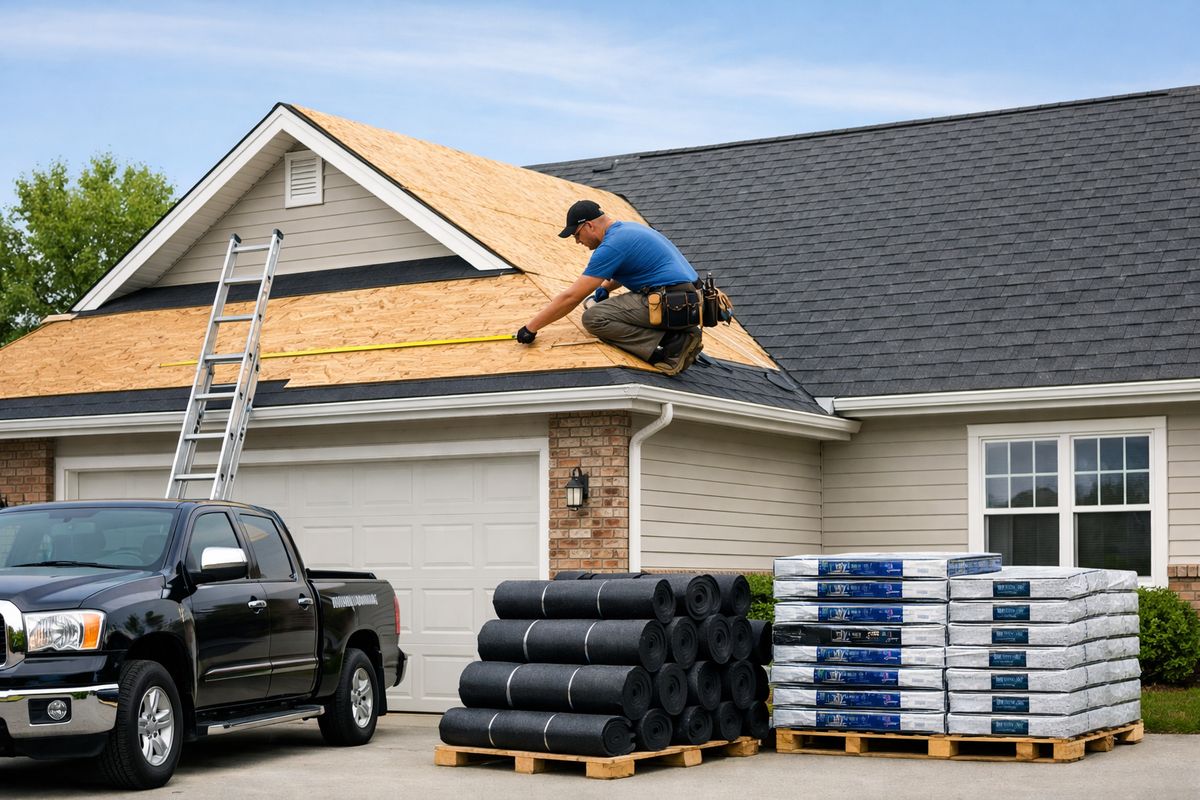
Roof size, pitch, and shape
Bigger roofs take longer, obviously, but shape matters almost as much as size. Pitch just means steepness. A steep roof slows movement, safety setup, and material handling.
Add valleys, dormers, skylights, chimneys, or a two-story layout, and the pace drops. A simple rectangle is easy. A roof with lots of cuts and transitions is more like wrapping a present with ten corners.
Roofing material you choose
Asphalt shingles are usually the fastest to install. Metal takes more precision because panels, trims, and fasteners have to line up cleanly. Tile is heavier and slower, especially when layout and fastening need to meet high-wind standards.
If you’re weighing materials for a coastal home, it helps to compare how tile and shingles handle Florida heat before focusing only on speed. The fastest roof is not always the smartest roof.
Existing roof condition and hidden damage
This is one of the biggest wild cards. Once tear-off starts, the crew may find rotted decking, bad flashing, trapped moisture, or ventilation problems that were hidden under the old roof.
Those repairs are worth doing right away. Still, they add time. A job that looked like a quick swap can stretch because the roof underneath the roof is what actually holds everything together.
Weather, season, and storm demand
Weather delays are common for a reason. Rain, high winds, and extreme heat can stop work for safety and quality. Roofing crews cannot rush through slippery decking or install materials the wrong way just to hit a date.
In Florida, hurricane season changes the whole calendar. After named storms, demand spikes hard, and start dates get pushed back. If your timing is flexible, the slower months can help.
Crew size, contractor scheduling, and labor shortages
A trained, established crew usually works faster and cleaner than a patchwork team. That said, even a great contractor may have a full calendar. Across the industry, labor shortages remain a major issue, and that affects start dates more than daily production.
That’s why choosing a properly vetted Florida roofing contractor matters. You’re not just hiring for craftsmanship. You’re hiring for scheduling discipline too.
Typical Timeframes by Roof Type and Project Scenario
Small to midsize asphalt shingle home
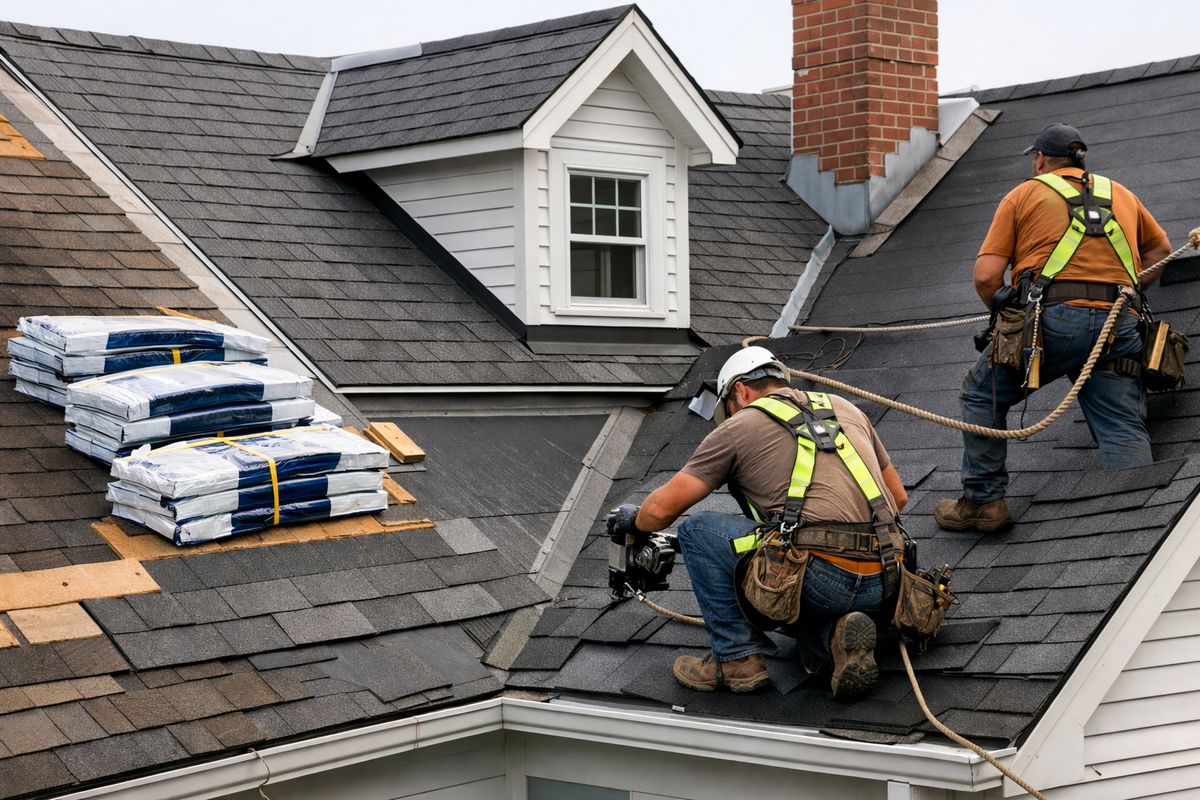
Many standard homes can be torn off and reroofed in 1 to 3 days once work begins, assuming decent weather and no major surprises. That’s the closest thing to a “normal” timeline.
Metal roof replacement
Metal often takes 2 to 5 days or more because cutting, fitting, trim work, and penetrations require more precision. The result is durable and energy-friendly, but it usually isn’t the fastest install.
Tile roof or complex coastal home
Tile roofs and custom coastal homes often take longer. Heavier materials, specialty flashing, and wind-uplift details all add labor. If your home falls into this category, it helps to review what goes into a full tile reroof in Florida or explore Florida tile roof systems so the timeline makes more sense before the project starts.
Storm-damage insurance claim projects
These often take the longest overall. The install may still be quick, but adjuster visits, claim approvals, supplements, and storm backlogs can stretch the front end by weeks.
What to Expect During the Installation Days
Day 1: delivery, tear-off, and deck inspection
This is usually the noisiest day. Materials arrive early, old roofing gets stripped off, and by mid-morning your driveway may be full of shingles and underlayment. On a standard home, tear-off alone can take just a few hours.
Then comes deck inspection. If rotten wood or soft spots show up, those need to be fixed before the new system goes on.
Day 2 and beyond: dry-in, roofing install, and detail work
Dry-in means the water-shedding layer that protects your home before the finished roof goes on. Underlayment, flashing, vents, ridge caps, and edge details all happen here.
This stage is quieter than tear-off, but more technical. It’s where a roof gets its real weather protection, not just its finished look.
Final cleanup and inspection
Cleanup is part of the job, not a bonus. You should expect debris removal, magnetic nail sweeping, permit close-out, and a final walkthrough or punch-list review.
A fast install with sloppy cleanup is not a good timeline. It’s just a rushed one.
How to Keep Your Roof Replacement From Dragging Out
Get a detailed estimate, not a one-line price
Vague bids create vague schedules. Your estimate should cover scope, materials, ventilation, decking allowance, permits, and cleanup before you sign.
Pick your timing carefully if you can
Off-peak scheduling can shorten wait times, and in some markets November through February can move much faster. In Florida, the catch is that storm season and permit surges can still reshape the schedule quickly.
Clear access and make decisions early
Move cars, unlock gates, trim back obstacles, confirm your material and color choices, and respond quickly to paperwork requests. Small delays matter. One missing HOA form or one missed signature can stall the whole start date.
Common Questions About Roof Replacement Timing
Can a roof really be replaced in one day?
Yes, sometimes. A simple asphalt shingle roof with a strong crew, good weather, and no hidden damage can be done in one day. But that is not the norm for every home.
How long can your house stay protected if the job pauses?
If the roof is properly dried in, your home can stay protected during a pause. Still, weather delays need close coordination, because underlayment is not meant to replace the finished roof for long.
Should you stay home during roof replacement?
You can, but expect noise, vibration, limited parking, and stressed pets. If you work from home or have small kids, even one loud tear-off day may be enough reason to spend a few hours elsewhere.
What’s the best next step if you want a realistic timeline?
Get an inspection and ask for a start-to-finish schedule that separates pre-construction waiting time from actual roof work. That one question clears up most of the confusion right away.