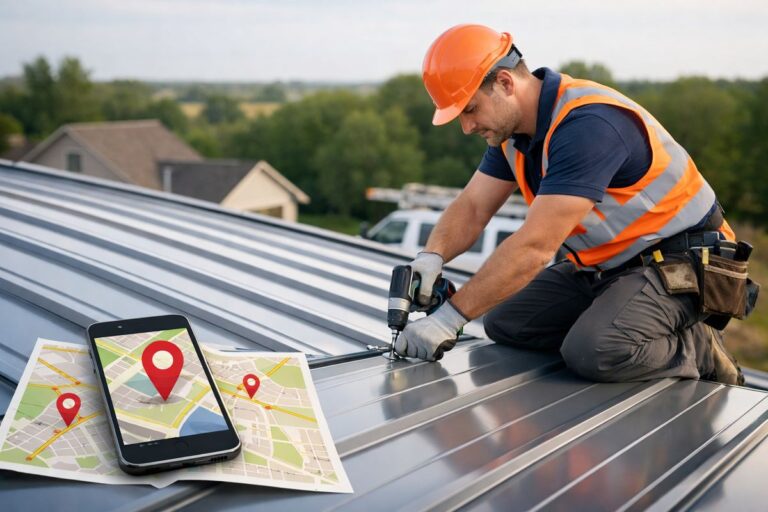
Searching for a metal roof installer near me sounds simple until you realize the roof itself is only half the job. A metal roof can handle brutal sun, sideways rain, and hard wind, but if the installer cuts corners on flashing, fasteners, or permits, that nice-looking upgrade can turn into a very expensive lesson. This guide shows you what to check before you hire anyone, especially if your property sits in Florida heat, salt air, or hurricane country.
Start with the installer, not just the roof
Plenty of metal roofs look great in a brochure. That does not mean every installer can make one perform the way it should on your home or building.
Here’s the thing: metal roofing is less forgiving than many people expect. Small details matter. A missed seal at a valley, the wrong fastener spacing at an edge, or sloppy trim work around a vent can lead to leaks, rust, noise, or panels that do not hold up the way you were promised. In Florida, those mistakes get exposed fast. One August storm in Fort Myers can tell you more about installation quality than a sales pitch ever will.
That is why the right installer matters just as much as the metal itself. The best company for your project is not the one with the flashiest ad or the cheapest number scribbled on a quote. It is the one that knows how to match the roof system to your location, explain the assembly in plain English, and install it cleanly enough that you stop worrying every time the forecast turns ugly.
Know what “the right fit” means for your Florida property
Before you compare companies, get clear on what your roof actually needs. Florida properties are dealing with a rough mix: heat, UV exposure, intense rain, storm debris, salt air near the coast, and stricter insurance scrutiny on older homes. A good installer should talk about those conditions right away, not jump straight to color samples.
Match the roof system to wind, salt, and heat
Florida roofing is not just about keeping the sun out. Wind uplift ratings matter because panels and attachments need to resist being pulled up during strong gusts. Corrosion resistance matters because coastal air can chew through the wrong metal or finish much faster than inland conditions. Reflective finishes matter because they can lower heat gain and help with cooling costs.
That is why a one-size-fits-all recommendation is a bad sign. Steel is common because it balances durability and cost well, while aluminum often makes more sense closer to the water because it resists corrosion better. Some homes do best with standing seam. Others may be fine with a more budget-friendly profile. If you need help sorting through styles and trade-offs, it helps to review which profiles make sense in Florida weather before you sign anything.
Metal roofing can also deliver real efficiency benefits. Some reports put potential savings at up to 30% energy savings compared with more traditional materials, but only when the system, finish, and ventilation are chosen well.
Make sure the installer understands local code and permitting
Code compliance sounds dry, but it affects everything from inspections to insurance paperwork. In plain terms, your roof has to meet local building rules, approved product requirements, fastening standards, and permit procedures.
In Florida, that can get strict in a hurry. Miami-Dade has its own reputation for a reason, and coastal jurisdictions across the state often require more attention to wind resistance and approved assemblies. If an installer gets vague when you ask about permits or says something like “that usually isn’t a problem,” take that as a warning. Roofing after storms has pushed demand across the market, and extreme weather events have created plenty of rushed work. Rushed work and code-heavy projects are a bad combination.
Ask how ventilation, underlayment, and flashing will be handled
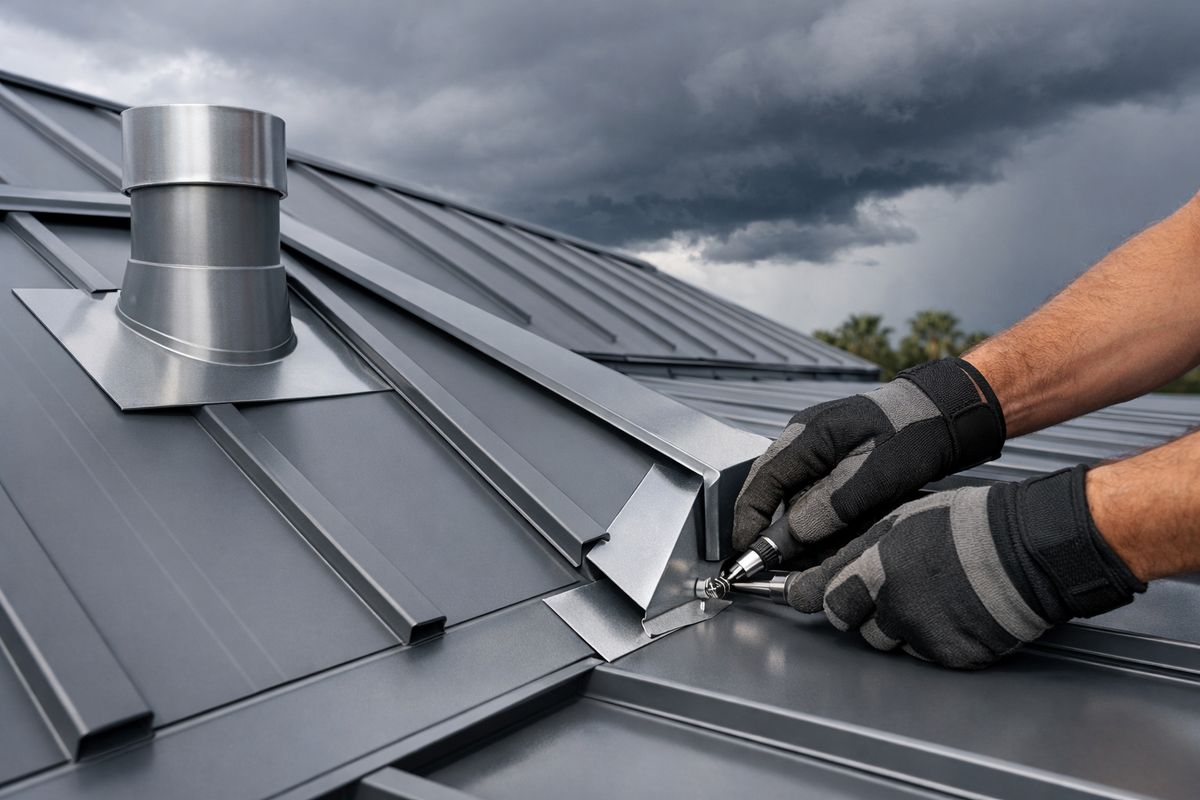
A metal roof is a system, not a sheet of shiny panels. Underlayment is the water-shedding layer beneath the metal. Flashing is the formed metal used around edges, walls, chimneys, skylights, and valleys to keep water moving where it should. Ventilation helps your attic release heat and moisture instead of trapping it like a parked car in July.
If an estimate talks a lot about panel color but barely mentions these pieces, slow down. The underlayment type, the trim details, the sealants, and the flashing layout often decide whether your roof stays dry for decades or starts causing headaches in year three.
Check the installer’s qualifications before you compare prices
Price shopping comes later. First, make sure you are comparing real metal-roof professionals instead of general roofers who occasionally take a metal job.
Verify licensing, insurance, and metal-roof experience
Start with the basics: active Florida licensing, general liability insurance, and workers’ compensation coverage. Then go one step further and ask how much of the company’s work is actually metal roofing.
That last part matters a lot. Metal roofing is not the place to hire somebody learning on your roof. Expansion and contraction, panel alignment, clip systems, trim fabrication, and waterproof detailing all take practice. A shingle crew can be excellent at shingles and still struggle with metal.
Look for manufacturer certifications and completed local jobs
Certifications are not everything, but they do show training and accountability. If a contractor has manufacturer-backed training for a system, that is better than “trust us, we’ve done plenty.”
More useful than a polished photo gallery, though, is a list of nearby completed projects. Ask for streets, neighborhoods, or building types similar to yours. A coastal home in Naples has different demands than an inland rental in Lakeland. Local examples show whether the installer has handled the kind of wind, exposure, and permitting your project is likely to face.
Read reviews for patterns, not just star ratings
A 4.9-star average looks nice. Patterns tell you more.
Read enough reviews to spot repeated comments about communication, cleanup, delays, leak response, and warranty follow-through. Pay attention to what happens after installation, because that is when character shows. If several reviews mention missed callbacks or trouble getting punch-list items fixed, believe the pattern. Homeowners now expect fast follow-up, with 95% expecting callbacks within the same day or a couple of days. That is a fair standard.
Compare estimates like a buyer, not like a gambler
A cheap quote can feel like a win. Sometimes it is just a delayed expense.
What should be included in a written roofing estimate
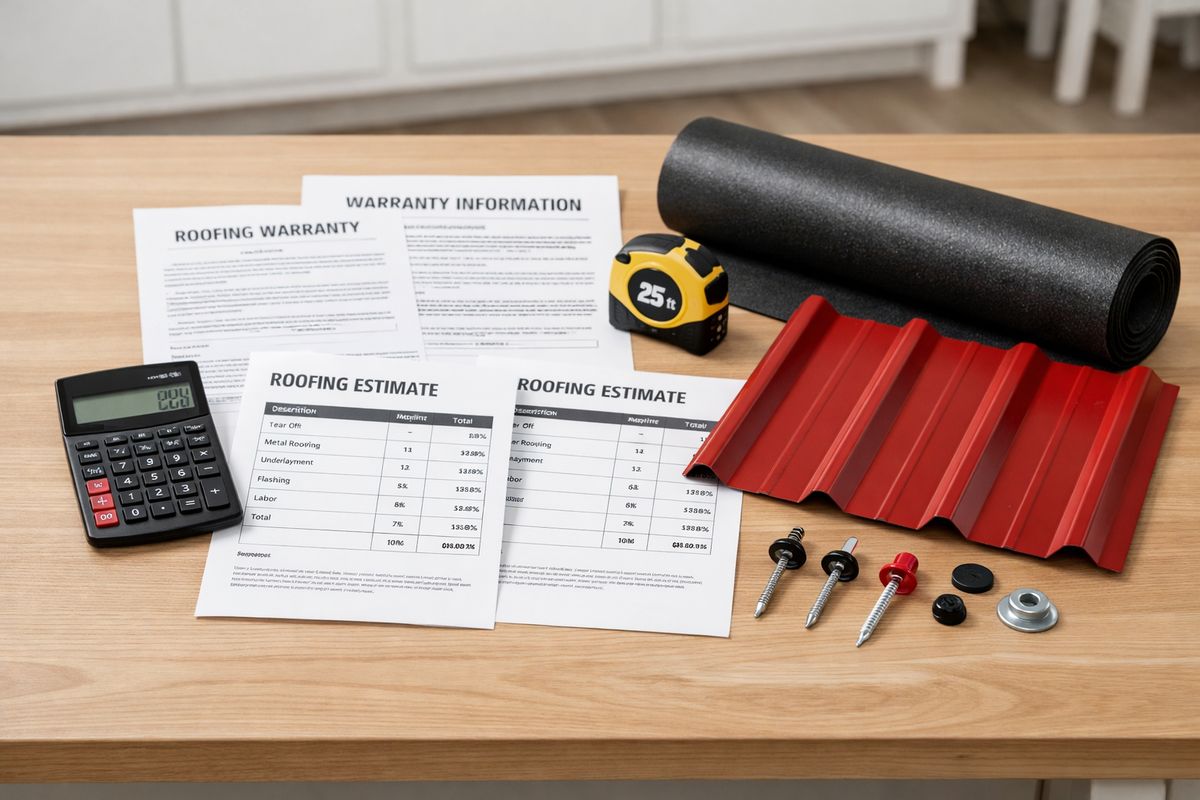
A strong estimate should spell out the material type, panel style, metal thickness or gauge, finish, underlayment, tear-off or overlay scope, flashing details, fasteners, permits, labor, cleanup, timeline, and payment schedule. If those details are missing, you are not really comparing bids. You are comparing guesses.
This is where many buyers get tripped up. One company says “new metal roof,” another gives a six-page breakdown, and the short quote looks easier to digest. Easier is not better here. If you want a fuller breakdown of why numbers move so much from one company to the next, this guide on what actually changes roofing pricing helps make sense of it.
How to spot a low quote that could cost more later
The catch is that low bids usually get low for a reason. Maybe the metal is thinner. Maybe the coating is weaker. Maybe edge metal, prep work, and custom flashing got stripped out. Maybe labor was priced as if the crew can fly.
Think of it like an airline ticket that looks cheap until baggage, seat fees, and change fees show up. Roofing quotes can work the same way. A low base number is meaningless if the installer starts adding change orders, or worse, skips hidden details you only notice after the first leak.
Compare warranties the right way
Material and workmanship warranties are not the same thing. The material warranty covers defects in the metal or coating. The workmanship warranty covers installation errors.
You want both, and you want the explanation in writing. Ask who backs each warranty, how long it lasts, and what happens if the installer closes up shop. That question gets awkward for a second, but it is worth asking. Metal roofs can last 40 to 70 years, so the paper behind the project matters almost as much as the panels.
Ask these questions before you sign anything
Good questions make sales calls shorter and decisions easier.
Questions about timeline, crew, and communication
Ask when the job could start, how long it should take, what delays are most likely, and who will supervise the work each day. Ask whether the installation crew is in-house or subcontracted. Ask how updates will be shared if weather shifts the schedule.
This matters more than it seems. Roofing labor shortages have caused 8 to 12 week lead times in some cases, so vague scheduling can turn into months of drift.
Questions about materials, performance, and energy savings
Ask what metal is being used, how expansion and contraction will be handled, whether the finish is reflective, and whether the system works well with solar now or later. If cooling bills are part of your motivation, say that directly. If storm performance matters more than appearance, say that too.
You may also want to compare the category itself before committing. For some properties, how metal stacks up against shingles in Florida makes the budget conversation a lot clearer.
Questions about permits, inspections, and insurance documentation
Ask who pulls the permit, who schedules inspections, and what paperwork you will receive at the end. If your home is older, ask whether the installer can help with wind mitigation documentation or insurance-related records.
That can save frustration later. Some carriers are paying closer attention to roof age and condition, especially once a home gets older than 15 years. A good installer should be ready for that conversation, not surprised by it.
Choose the best installer for your budget and your goals
At this point, the goal is not finding the lowest number. It is finding the best fit for the money you are spending.
When it makes sense to pay more
Paying more often makes sense near the coast, where better corrosion resistance can buy you years of extra life. It also makes sense when you need a stronger wind-rated system, more precise flashing, cleaner trim work, or better warranty support.
That extra cost is not just cosmetic. It can mean fewer repairs, fewer surprises during storm season, and a longer replacement cycle. Considering that reroofing decisions are increasingly about long-term value, not just quick fixes, paying for the better system up front is often the smarter move.
Best fit by use case
If your property is near the coast, prioritize corrosion resistance, wind ratings, and installers with nearby salt-air projects. If you are inland and tired of high cooling bills, focus on reflective finishes, ventilation, and attic performance. If you manage properties, reliability matters just as much as price, because predictable scheduling and fewer callbacks save real money. If you are a contractor hiring a roofing partner, look for clean documentation, dependable crews, and a company that can stay organized when permits and inspections stack up.
Different goals, different priorities. Same principle: hire for fit, not hype.
A simple short list to make this week
Try one thing this week: narrow your search to three local installers and ask each for proof of Florida licensing, proof of insurance, addresses of recent metal-roof jobs, and a fully itemized written estimate. That one step cuts through a lot of noise.
Frequently Asked Questions
How do you know if a roofer really specializes in metal roofing?
Ask how many metal roofs get installed each year, what panel systems are used most often, and how flashing, underlayment, and thermal movement are handled. Clear, specific answers usually mean real experience. Vague answers usually mean metal is a side offering.
Is a metal roof worth it in Florida?
Yes, if your installer matches the system to Florida conditions and installs it properly. Metal roofing can offer long life, strong wind performance, and lower heat gain, but poor installation wipes out a lot of that value.
Should you choose steel or aluminum for a Florida metal roof?
Steel is often the better value inland because it is durable and widely available. Aluminum is often worth a closer look near the coast because it resists corrosion better in salt-heavy air.
Can a metal roof be installed over shingles?
Sometimes, but not always. It depends on local code, roof condition, structural considerations, and the system being installed. A good contractor should inspect the deck and explain whether tear-off or overlay makes more sense.
What documents should a metal roof installer give you?
You should expect a written estimate, contract, permit details, proof of insurance, warranty information, and final closeout paperwork after inspections. If insurance is involved, ask for any forms or photos that support your claim or wind mitigation file.