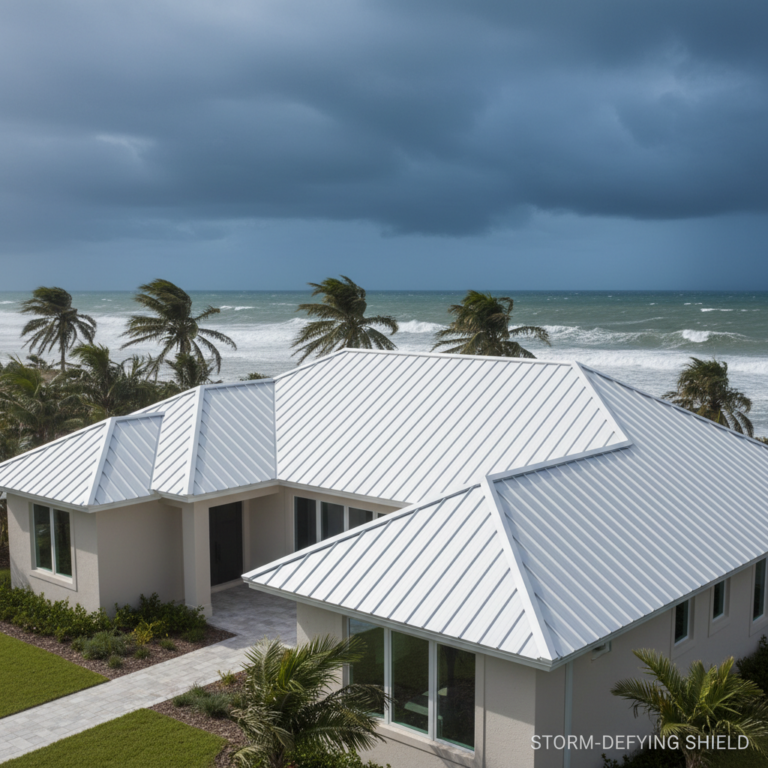
Understanding hurricane-resistant metal roofs
A severe hurricane can strike Florida’s coastal communities at any moment, leaving you concerned about whether your roof can withstand relentless winds and flying debris. By choosing hurricane-resistant metal roofs, you gain peace of mind knowing your home has a specialized shield designed to stand strong against extreme weather. These roofs are engineered with interlocking panels, durable fasteners, and high wind ratings. From the moment a storm begins to form, you benefit from the knowledge that your roof has been constructed to protect.
When you think about the forces involved during a hurricane, it makes sense that a stable, impact-resistant covering is key to keeping you safe. Unlike many traditional roofing materials, metal roofs can bear intense wind pressure and often meet or exceed the strict codes required in hurricane-prone regions. According to Hurricane Roofing Inc. [1], modern building standards require metal roofing panels to achieve Class 4 impact resistance ratings. This rating verifies that your roof can handle high-velocity impacts from debris and hail, a critical advantage if you call Florida’s coastline home.
Major benefits for Florida homes
Floridians are used to unpredictable weather, from scorching summer heat to powerful tropical storms. Hurricane-resistant metal roofs address these concerns in multiple ways. First, many metal roof panels interlock on all four sides, creating a robust barrier to wind uplift. That means you have far fewer chances for gale-force winds to catch an edge and rip the panels off your home. In addition, concealed fasteners and high-grade screws can further reduce the possibility of loosened or lost panels.
These roofs also hold up to intense sunshine and salty sea air. Metal materials like aluminum resist corrosion naturally, an important feature if you live in a coastal environment. If you have ever dealt with unpredictable moisture levels, you will appreciate how metal roofs shed water rather than soaking it up. In the process, they can cut down on mold, rot, and leaks.
Beyond protection from storms and water damage, hurricane-resistant metal roofs deliver energy efficiency. Their reflective surfaces reduce heat absorption, helping offset Florida’s blistering heat and potentially lowering your monthly cooling bills. That means you stay more comfortable inside and can enjoy the long-term benefits of a sustainable, low-maintenance roofing option.
Why standing seam is favored
Standing seam metal roofing stands out for its enhanced resilience and clean, modern appearance. In this style, the fasteners are hidden beneath raised seams rather than exposed on top, so there is less risk of corrosion or failure due to poor sealing. The panels themselves lock together tightly, channeling water away and reducing any chance of leaks.
Florida contractors often recommend standing seam systems to help you navigate unpredictable wind loads and intense storms. This design can handle wind speeds beyond the standard requirements. In fact, certain standing seam metal roofs have been tested at wind speeds over 200 mph [2]. When your goal is to protect your home from turbulent weather patterns, it is easy to see why so many professionals highlight the value of concealed fasteners, raised ribs, and thicker panel gauges. If you are interested in learning more about the advantages, visit standing seam roofing benefits.
Securing a reliable installation
Even if you invest in top-quality materials, improper installation can undermine all the benefits you hoped to achieve. Experts at McElroy Metal explain that faulty clip spacing, incorrect fastener placement, and subpar engineering are all leading causes of hurricane-related roof failure [2]. To avoid these pitfalls, confirm that your roofing team uses corrosion-resistant, high-grade fasteners and conforms to detailed fastening schedules. This ensures the roofing panels are locked in place correctly and aligned to withstand hurricane-level wind pressures.
Likewise, pay attention to roof deck attachment. By specifying proper mechanical clips and straps to anchor the roof in your home’s key structural areas, you reduce sway and movement when fierce gusts strike. Most reputable contractors will know Florida’s building codes inside and out, so make sure they follow region-specific standards such as the Florida Building Code (FBC). You can reference metal roof hurricane protection for additional considerations that keep your new roof secure in wild weather.
Comparing costs and returns
Upfront, you may notice that a hurricane-resistant metal roof costs more than a typical asphalt or tile roof. According to Five Points Roofing [3], this expense stems from skilled labor, specialized equipment, and higher-grade materials. However, these costs can translate into real value over time. Metal roofs are praised for their long service life and reduced maintenance needs, which often lower the likelihood of repeated repairs or premature roof replacements.
Some insurance companies also recognize the superior storm performance of metal roofing, offering you potential discounts on homeowners’ insurance in high-risk areas [2]. When you factor in the durability, minimal upkeep, improved energy efficiency, and possible premium discounts, the financial equation becomes more favorable. You might find that the roof pays for itself over the years, giving you both worry-free protection and long-term savings.
You also have the option to explore financing or different metal formulations that can help you manage upfront costs. Although it is never wise to choose a subpar material to save a few dollars, you might appreciate that many metal variations allow a bit of pricing flexibility. Standing seam metal roofs, for example, come in multiple panel types that can align with different budgets.
Selecting your metal panels
Not all metal panels are created equal. If you live right along Florida’s salty coast, you may want to prioritize highly corrosion-resistant options such as aluminum. Aluminum roofing works remarkably well in hurricane zones thanks to its rust-resistant properties and rugged durability [4]. Though it costs slightly more, thicker aluminum gauges can help reduce denting from wind-swept debris, ensuring your roof remains structurally sound even after a fierce storm.
Galvalume steel is another contender, with an alloy coating that blends zinc and aluminum. It has proven significantly more rust-resistant than standard galvanized steel, though it may still require extra caution if you live right on the coastline [5]. Galvanized steel offers affordability and decent durability but corrodes faster in salty, humid environments. Here is a quick comparison:
| Metal | Key benefit | Suitability for Florida |
|---|---|---|
| Galvanized steel | Less expensive, widely available | Good inland but may corrode near coast |
| Galvalume steel | Strong corrosion resistance, cost-effective | Better protection than galvanized, not ideal right on the beach |
| Aluminum | Naturally rust-resistant and lightweight | Excellent for coastal and high-humidity areas |
Several other metals like copper and zinc are also used in certain high-end projects, but for everyday hurricane protection, aluminum or Galvalume typically fit the bill. If you need more help deciding between them, you can explore contractors favorite metal roofing or check out our metal roofing overview for professional insights.
Meeting building code requirements
Florida’s strict building codes exist to safeguard you from severe storm damage. Hurricane-resistant metal roofs must pass demanding tests for wind uplift, water invasion, and impact resistance. For instance, Class 4 Impact Resistance certification signifies a product can handle blows from large hailstones or windborne debris [6]. Florida’s codes may also involve specialized inspections and accelerated permitting if you live in a particularly high-risk coastal zone.
In some counties, you have to meet additional rules like Miami-Dade’s building codes, known for being among the nation’s toughest. To ensure compliance, reputable contractors will work with structural engineers, specify the correct clip spacing, and use high-wind-rated metal panels. If you’re new to Florida or are uncertain about local regulations, consider looking up official government websites or talking directly to a licensed contractor. Having these precautions in place helps your roof function effectively when you truly need it.
Practical tips for your peace of mind
Along with choosing top-tier materials, a few best practices can help your hurricane-resistant metal roof excel in Florida’s unpredictable weather. You might find these guidelines particularly useful:
-
Maintain routine inspections
Even the strongest roof benefits from regular checkups. Inspect for loose screws, worn sealants, or any signs of corrosion. Promptly address minor issues to avoid major headaches later. -
Clear debris and gutters
Leaves, branches, and loose objects can become projectiles during a storm. Keep gutters unclogged and tree limbs trimmed back so they don’t scrape or damage your metal panels. -
Consider expansion allowances
Metal expands and contracts as temperatures shift. Standing seam systems typically accommodate this movement with hidden fasteners and expansion clips. You still want to confirm that your installer leaves enough “breathing room” to prevent stress on panels. -
Research insurance advantages
If your insurer offers discounts for hurricane-rated roofs, ask about the criteria for claiming those benefits. Some providers specifically require roofing materials with certain wind or impact ratings.
Above all else, don’t delay necessary repairs or upgrades. If your roof is older, compromised, or incorrectly installed, you are risking extensive water damage, structural issues, or even total roof failure. Give yourself the comfort of knowing you have done everything you can to reinforce your home.
Exploring hurricane-proof metal roof options
Many Florida homeowners overlook the variety of metal roofing profiles, assuming every metal roof is the same. In reality, you can tailor the look, gauge, and coating to your needs. Options range from sleek, modern standing seam to more traditional ribbed panels. Because each style offers unique aesthetic and performance benefits, it helps to weigh the pros and cons carefully. If you are still narrowing down your choices, take a look at hurricane-proof metal roof options for additional clarity.
This stage is also an excellent time to discuss color choices and finishes. Lighter hues often reflect more heat and can slightly boost energy savings in Florida’s scorching climate. Meanwhile, dark tones lend a distinct architectural statement—but may absorb more warmth, so weigh your preferences accordingly.
Looking ahead
Preparing for hurricanes is part of daily life in Florida’s coastal communities, and your roof plays a huge role in your overall safety. Hurricane-resistant metal roofs combine powerful wind resistance, excellent impact absorption, and potential energy savings. By focusing on reputable materials, concealed fasteners, and code-compliant installation, you set yourself up for decades of reliable protection.
If you decide to go with a standing seam metal roof, you will likely appreciate the added security of concealed clips and a maintenance-friendly design. Around-the-clock resilience is a worthwhile priority that helps you weather any storm without constantly worrying about leaks or uplift.
Key takeaways for you
Choosing a hurricane-resistant metal roof can be one of the most impactful decisions you make for your Florida home. By concentrating on specially engineered panels, verified wind ratings, and proven installation practices, you ensure durability and long-term value. Here is what it all comes down to:
• Metal roofs handle Florida’s heat and humidity better than many alternatives
• They provide a formidable defense against high winds and flying debris
• Code compliance and proper installation are essential for maximum protection
• Costs can vary, but your investment often pays off in lower maintenance and insurance savings
Don’t let hurricane season leave you feeling unprepared. If you are considering a new roof or simply want the latest storm-ready technology, hurricane-resistant metal roofs stand ready to shield you. For more in-depth details, head over to our metal roofing overview and discover how modern metal roofing solutions can bring you lasting peace of mind.
This guide focuses on how metal roofs perform in hurricanes and the codes and insurance considerations involved. For a full material-by-material comparison, see our hurricane-proof metal roof options guide, or for standing seam specifically, see our standing seam roofing benefits guide.